

 Persly Medical Team
Based on PubMed | Does drinking low-fat milk lower uric acid levels and help prevent gout flare-ups?
Drinking low-fat milk can modestly lower uric acid and may reduce gout flare risk. It works best as part of an overall gout-friendly diet and lifestyle; for many with established gout, medications are still required.
Low‑Fat Milk, Uric Acid, and Gout: What the Evidence Suggests
Drinking low‑fat milk appears to modestly lower uric acid and may help reduce the risk of gout flares, although diet changes alone usually are not enough to control gout for most people. [1] Low‑fat dairy is generally recommended as a protein source for people prone to gout and is considered beneficial compared with high‑purine meats and certain seafoods. [2] [3]
Why Uric Acid Matters in Gout
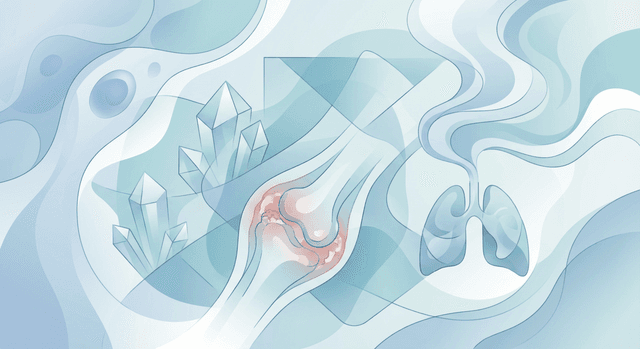
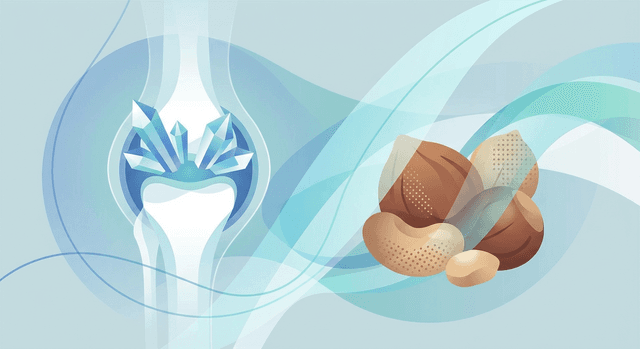
Gout occurs when uric acid (the end‑product of purine breakdown) builds up and forms needle‑like crystals in and around joints, triggering sudden, painful inflammation. [4] Uric acid is carried in the blood to the kidneys, which normally excrete most of it in urine; excess production or reduced excretion raises blood levels. [5] Persistently high uric acid can be linked to gout and kidney stones, even though many people with high levels have no symptoms. [6] [7]
What We Know About Low‑Fat Dairy
- Low‑fat dairy intake is associated with a lower risk of developing gout in large population studies. [8] Choosing low‑fat dairy, vegetables, whole grains, nuts, legumes, and less‑sugary fruits is generally linked with lower gout risk, while red meat, alcohol, and fructose‑sweetened drinks raise risk. [8]
- Low‑fat dairy has shown a moderate urate‑lowering effect in short‑term studies of volunteers, suggesting a biological role beyond simple purine content. [9] [10]
- Specific milk components, such as glycomacropeptide and certain milk fat extracts, have anti‑inflammatory actions in experimental models that target the crystal‑driven inflammation central to acute gout attacks. [11] [12]
These findings together support the practical advice to include low‑fat milk and yogurt as part of a gout‑friendly eating pattern. [2] [3]
How Low‑Fat Milk May Help
- Promotes uric acid excretion: Low‑fat dairy seems to modestly help the body get rid of uric acid, which can lower blood levels. [9] [10]
- Anti‑inflammatory effects: Certain dairy fractions can dampen the interleukin‑1β pathway and cellular influx triggered by monosodium urate crystals, potentially reducing the intensity or likelihood of flares. [11] [12]
While these mechanisms are encouraging, the effect size is moderate, and well‑controlled intervention trials in people with established gout are still needed to define clinical impact. [9] [10]
Practical Dietary Guidance
- Choose low‑fat dairy daily: Skim or low‑fat milk and yogurt are reasonable protein choices for gout‑prone individuals. [2] [3]
- Limit high‑purine foods: Red meats and organ meats (like liver) and purine‑rich seafood (anchovies, sardines, mussels, scallops, trout, tuna) raise uric acid and are best minimized. [2] [3]
- Avoid sugary drinks and excess alcohol: Beverages sweetened with fructose and alcohol (especially beer) raise uric acid and gout risk. [4]
- Hydrate well and manage weight: Drinking water, exercising, and maintaining a healthy weight support lower uric acid and fewer flares. [3]
Diet can help lower uric acid and improve excretion, but for many people it does not lower levels enough on its own to prevent attacks; medications may still be needed. [13]
Example: Gout‑Friendly Day with Low‑Fat Dairy
- Breakfast: Whole‑grain, unsweetened cereal with skim or low‑fat milk; strawberries; coffee; water. [14]
- Lunch: Roasted chicken breast on a whole‑grain roll; mixed green salad; skim or low‑fat milk or water. [15]
- Snack: Cherries; water. [16]
- Dinner: Roasted salmon; steamed green beans; whole‑grain pasta with olive oil and lemon; water; low‑fat yogurt if desired. [13] [15]
This pattern keeps purines lower, adds low‑fat dairy, and avoids fructose‑sweetened beverages and excess alcohol. [3] [4]
Key Takeaways
- Low‑fat milk and dairy are linked to lower uric acid and reduced gout risk, with modest effects confirmed in human studies and plausible mechanisms in lab models. [9] [8]
- Dietary changes help, but most people with gout need comprehensive management, and diet alone may not control uric acid sufficiently. [13]
- Replacing high‑purine animal proteins with low‑fat dairy is a practical, evidence‑based step in gout care. [2] [3]
Quick Comparison: Foods and Gout Impact
| Category | Impact on Uric Acid/Gout | Notes |
|---|---|---|
| Low‑fat milk/yogurt | Lower risk; modest urate‑lowering; anti‑inflammatory fractions | Favor daily inclusion. [9] [8] [11] |
| Red/organ meats | Increase risk; high purines | Limit or avoid. [2] [3] |
| Purine‑rich seafood | Increase risk | Anchovies, sardines, mussels, scallops, trout, tuna. [2] [3] |
| Fructose‑sweetened drinks | Increase uric acid and risk | Avoid sugary soft drinks/juices. [4] |
| Coffee | Can be included | Appears compatible with gout diet patterns. [14] |
| Water | Beneficial | Supports uric acid excretion. [3] |
Bottom Line
Including low‑fat milk in your routine is a reasonable, supportive strategy to modestly lower uric acid and may help reduce gout flare risk, especially when combined with limiting high‑purine foods, avoiding fructose‑sweetened drinks and excess alcohol, staying hydrated, and managing weight. [9] [8] [3] [4] If gout is established, diet is helpful but often needs to be paired with medications that actively lower uric acid to consistently prevent flares. [13]
Related Questions
Related Articles

Sources
- 1.^↑Gout diet: What's allowed, what's not(mayoclinic.org)
- 2.^abcdefgDiagnosis and treatment - Mayo Clinic(mayoclinic.org)
- 3.^abcdefghijkGout - Diagnosis and treatment(mayoclinic.org)
- 4.^abcdeGout - Symptoms and causes(mayoclinic.org)
- 5.^↑Uric acid - blood : MedlinePlus Medical Encyclopedia(medlineplus.gov)
- 6.^↑High uric acid level Causes(mayoclinic.org)
- 7.^↑High uric acid level When to see a doctor(mayoclinic.org)
- 8.^abcdeThe interplay between diet, urate transporters and the risk for gout and hyperuricemia: current and future directions.(pubmed.ncbi.nlm.nih.gov)
- 9.^abcdefEffects of dairy intake on hyperuricemia and gout.(pubmed.ncbi.nlm.nih.gov)
- 10.^abcEffects of dairy intake on hyperuricemia and gout.(pubmed.ncbi.nlm.nih.gov)
- 11.^abcIdentification of dairy fractions with anti-inflammatory properties in models of acute gout.(pubmed.ncbi.nlm.nih.gov)
- 12.^abIdentification of dairy fractions with anti-inflammatory properties in models of acute gout.(pubmed.ncbi.nlm.nih.gov)
- 13.^abcdCan the foods you eat help to manage gout?(mayoclinic.org)
- 14.^abCan the foods you eat help to manage gout?(mayoclinic.org)
- 15.^abCan the foods you eat help to manage gout?(mayoclinic.org)
- 16.^↑Gout diet: What's allowed, what's not(mayoclinic.org)
Important Notice: This information is provided for educational purposes only and is not intended to replace professional medical advice, diagnosis, or treatment. Always consult with a qualified healthcare provider before making any medical decisions.