
 Persly Medical Team
Based on PubMed | Does eating honey worsen gout or increase uric acid levels?
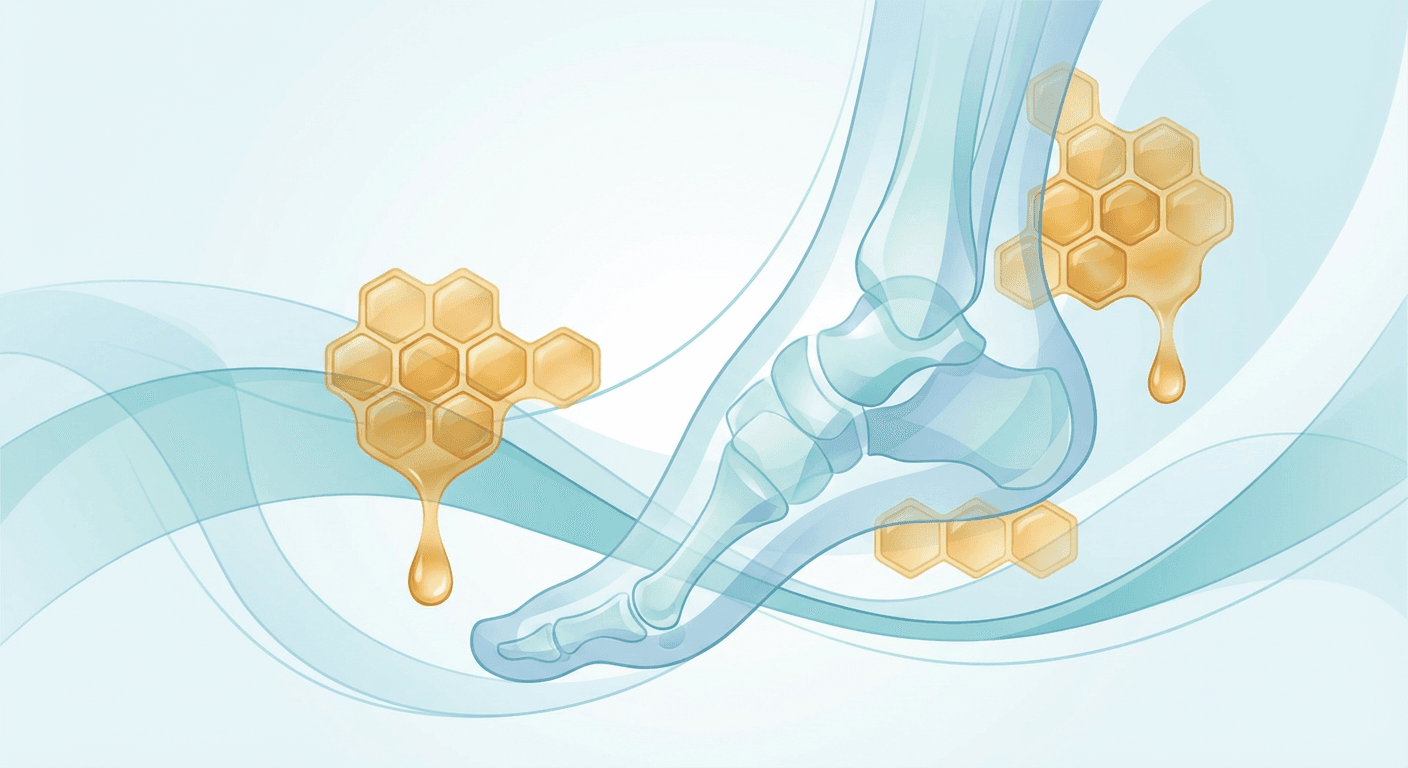
Honey can raise uric acid and worsen gout in some people because it contains fructose, especially when eaten in larger amounts or adds excess calories. Occasional small portions may be less risky, but limiting honey and other added sugars is recommended alongside a gout-friendly diet.
Honey can contribute to higher uric acid levels and may worsen gout for some people, mainly because it contains natural sugars including fructose. Fructose can raise uric acid by increasing its production and, at higher intakes, can trigger gout flares. [1] [2] Fructose-containing drinks and foods are consistently linked with higher gout risk, so limiting added sugars including honey tends to be recommended for gout management. [3] [4]
Why fructose matters in gout
- When your body metabolizes fructose, it drives processes that generate uric acid (hyperuricemia), which can lead to gout flares in susceptible individuals. [5]
- Clinical feeding trials suggest a key nuance: isocaloric fructose (fructose swapped calorie-for-calorie with other carbs) did not raise uric acid in the short term, while hypercaloric fructose at very high doses (large excess calories from fructose) did increase uric acid. [6] This means total dose and excess calories matter, but practical guidance still leans toward limiting fructose for gout prevention.
Where honey fits in
- Honey is a natural sweetener composed mostly of fructose and glucose; although it’s “natural,” the body handles fructose from honey similarly to other sources. Reducing fructose-containing sweeteners is commonly advised in gout diets. [2] [7]
- Authoritative recommendations include limiting foods and beverages sweetened with fruit sugar (fructose), because they are associated with higher uric acid and gout risk. This applies to honey as a concentrated sugar source, especially if used frequently or in large amounts. [1] [3]
Practical guidance
- Frequency and portion size: Occasional small amounts (for example, a teaspoon in tea) may be less likely to impact uric acid than daily, larger servings; however, sensitive individuals may still notice flares with even modest increases in fructose. [2]
- Choose lower‑sugar alternatives: Emphasize whole, low‑purine, minimally processed foods; prefer water, unsweetened coffee/tea, or diet beverages over sweetened drinks. [4] [7]
- Overall diet matters: A gout‑friendly pattern emphasizes vegetables and low‑fat or nonfat dairy (which can modestly lower uric acid), while limiting red/organ meats, certain seafoods, alcohol (especially beer), and high‑fructose foods/drinks. [8] [1] [7]
- Weight and hydration: Keeping a healthy weight and staying well‑hydrated can support uric acid excretion and reduce flares. [1] [2]
Key takeaways
- Honey itself is not high in purines, but its fructose content can contribute to increased uric acid, particularly when consumed in larger amounts or when it adds excess calories. For gout management, it’s reasonable to limit honey and other added sugars. [2] [3]
- If you choose to use honey, keep portions small and infrequent, and prioritize an overall diet that lowers gout risk (more vegetables and low‑fat dairy; fewer high‑fructose and high‑purine choices). [7] [8]
Quick reference table
| Item | Uric acid impact (overview) | Gout guidance |
|---|---|---|
| Honey (natural sweetener with fructose) | Can raise uric acid if consumed in larger amounts, especially with excess calories. [6] | Limit added sugars; use sparingly if at all. [2] |
| High‑fructose beverages (sodas, sweetened juices) | Associated with higher gout risk and uric acid. [1] [3] | Avoid or limit strongly. [2] |
| Low‑fat/nonfat dairy | Modest urate‑lowering effect; may be protective. [8] | Include regularly if tolerated. [8] |
| Alcohol (especially beer) | Increases uric acid and flares. [1] | Avoid during flares; limit otherwise. [2] |
| Red/organ meats, certain seafoods | High purines increase uric acid. [7] | Limit or avoid. [7] |
If you are currently experiencing frequent flares or have had a recent uric acid increase, tightening limits on honey and other added sugars is likely to help alongside your broader gout plan. [2]
Related Questions
Related Articles


Sources
- 1.^abcdefGout - Symptoms and causes(mayoclinic.org)
- 2.^abcdefghiGout - Diagnosis and treatment(mayoclinic.org)
- 3.^abcdGout(medlineplus.gov)
- 4.^abCan the foods you eat help to manage gout?(mayoclinic.org)
- 5.^↑A perspective on diet and gout.(pubmed.ncbi.nlm.nih.gov)
- 6.^abThe effects of fructose intake on serum uric acid vary among controlled dietary trials.(pubmed.ncbi.nlm.nih.gov)
- 7.^abcdefGout diet: What's allowed, what's not(mayoclinic.org)
- 8.^abcdEffects of dairy intake on hyperuricemia and gout.(pubmed.ncbi.nlm.nih.gov)
Important Notice: This information is provided for educational purposes only and is not intended to replace professional medical advice, diagnosis, or treatment. Always consult with a qualified healthcare provider before making any medical decisions.