
 Persly Medical Team
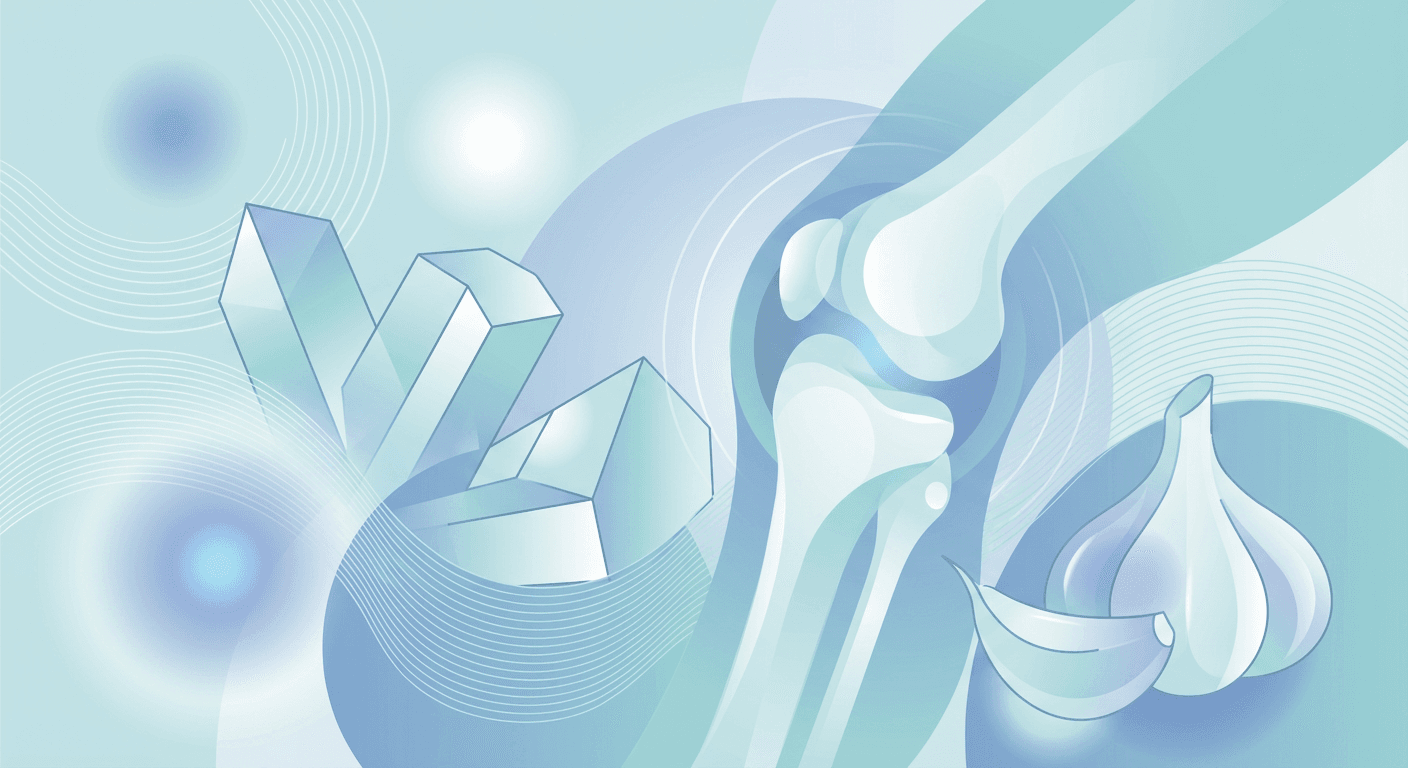
Based on NIH | Does eating garlic lower uric acid and help prevent gout attacks?
Garlic is healthy, but there’s no solid clinical evidence that it lowers uric acid or prevents gout attacks. Proven prevention focuses on urate-lowering medications (e.g., allopurinol or febuxostat) plus lifestyle measures like weight control and limiting high-purine foods. Garlic supplements may increase bleeding risk, especially with blood thinners or before surgery.
Eating garlic is healthy for many reasons, but there is no solid clinical evidence that it lowers uric acid or prevents gout attacks. Current medical guidelines emphasize proven urate‑lowering medicines (such as allopurinol or febuxostat) and lifestyle measures like weight management and limiting high‑purine foods; garlic is not listed as a gout treatment or preventive therapy in these recommendations. [1] [2] [3]
What we know about garlic
- Garlic contains bioactive compounds (for example, allicin), and has been studied for effects on cholesterol, blood pressure, and antioxidant activity, with mixed results. [4] [5] [6]
- Despite these properties, there are no high‑quality human trials showing that garlic supplements or garlic in food lower serum uric acid or reduce gout flare frequency. In systematic reviews of supplements for gout, only enriched milk products and vitamin C were tested in small trials, and even those showed limited or uncertain benefit; garlic was not supported by clinical trial evidence for gout. [7] [6]
Gout prevention: what is proven
- Effective gout prevention typically requires reaching and keeping a target serum urate level using prescription urate‑lowering therapy when indicated. Medications such as allopurinol, febuxostat, or uricosurics are used to lower uric acid and prevent flares. [8] [1]
- Diet and lifestyle help but usually are not enough by themselves to control uric acid in people with established gout. Recommended measures include weight loss if overweight, limiting alcohol (especially beer and spirits), avoiding or reducing high‑purine foods (organ meats, certain seafood), preferring low‑fat dairy, and following a balanced pattern like the DASH diet. [2] [3] [1]
Safety and interactions to consider
- Garlic supplements can increase bleeding risk, especially if combined with blood thinners; people taking warfarin or similar drugs should be cautious and talk with a clinician. Garlic supplements are often advised to be stopped 1–2 weeks before surgery due to bleeding risk. [9]
- Allopurinol itself may enhance warfarin’s anticoagulant effect, so if someone uses warfarin plus allopurinol, careful INR monitoring is recommended; adding garlic on top could further increase bleeding risk. [10] [11] [9]
Practical takeaways
- It’s reasonable to enjoy garlic as part of a healthy diet, but garlic should not be relied upon to lower uric acid or prevent gout attacks based on current evidence. [7] [6]
- For gout prevention, focus on proven steps: achieve target urate with prescribed therapy when appropriate, maintain a healthy weight, limit alcohol and high‑purine foods, and emphasize low‑fat dairy, vegetables, whole grains, and water. These strategies are consistently recommended in medical guidance for gout management. [2] [3] [1]
Frequently asked questions
Could garlic help indirectly?
Garlic’s potential cardiovascular and anti‑oxidative effects are still being studied, but even if there are general health benefits, there is no clinical proof that these translate into lower uric acid or fewer gout flares. [5] [6]
Are there foods that might help more?
Low‑fat dairy intake is associated with lower uric acid and may be helpful; this is included in gout‑friendly diet plans. However, diet alone typically doesn’t reduce uric acid enough for those with established gout, so medications are often needed. [2] [3]
Bottom line
Related Questions
Related Articles
Sources
- 1.^abcdGout(cdc.gov)
- 2.^abcdCan the foods you eat help to manage gout?(mayoclinic.org)
- 3.^abcdGout diet: What's allowed, what's not(mayoclinic.org)
- 4.^↑Garlic(mskcc.org)
- 5.^abGarlic(mskcc.org)
- 6.^abcdeGarlic in clinical practice: an evidence-based overview.(pubmed.ncbi.nlm.nih.gov)
- 7.^abcDietary supplements for chronic gout.(pubmed.ncbi.nlm.nih.gov)
- 8.^↑Gout - Diagnosis and treatment(mayoclinic.org)
- 9.^abcGarlic(mskcc.org)
- 10.^↑DailyMed - ALLOPURINOL tablet(dailymed.nlm.nih.gov)
- 11.^↑DailyMed - ALLOPURINOL tablet(dailymed.nlm.nih.gov)
Important Notice: This information is provided for educational purposes only and is not intended to replace professional medical advice, diagnosis, or treatment. Always consult with a qualified healthcare provider before making any medical decisions.