
 Persly Medical Team
Based on CDC | Does eating white bread increase the risk of gout flare-ups?
White bread is low in purines and is not a well-established direct trigger for gout flares. However, diets high in refined grains, added sugars, and excess calories can raise uric acid and flare risk via weight gain and insulin resistance. Choose whole-grain breads, limit sugary drinks and alcohol, and focus on overall weight and metabolic health.
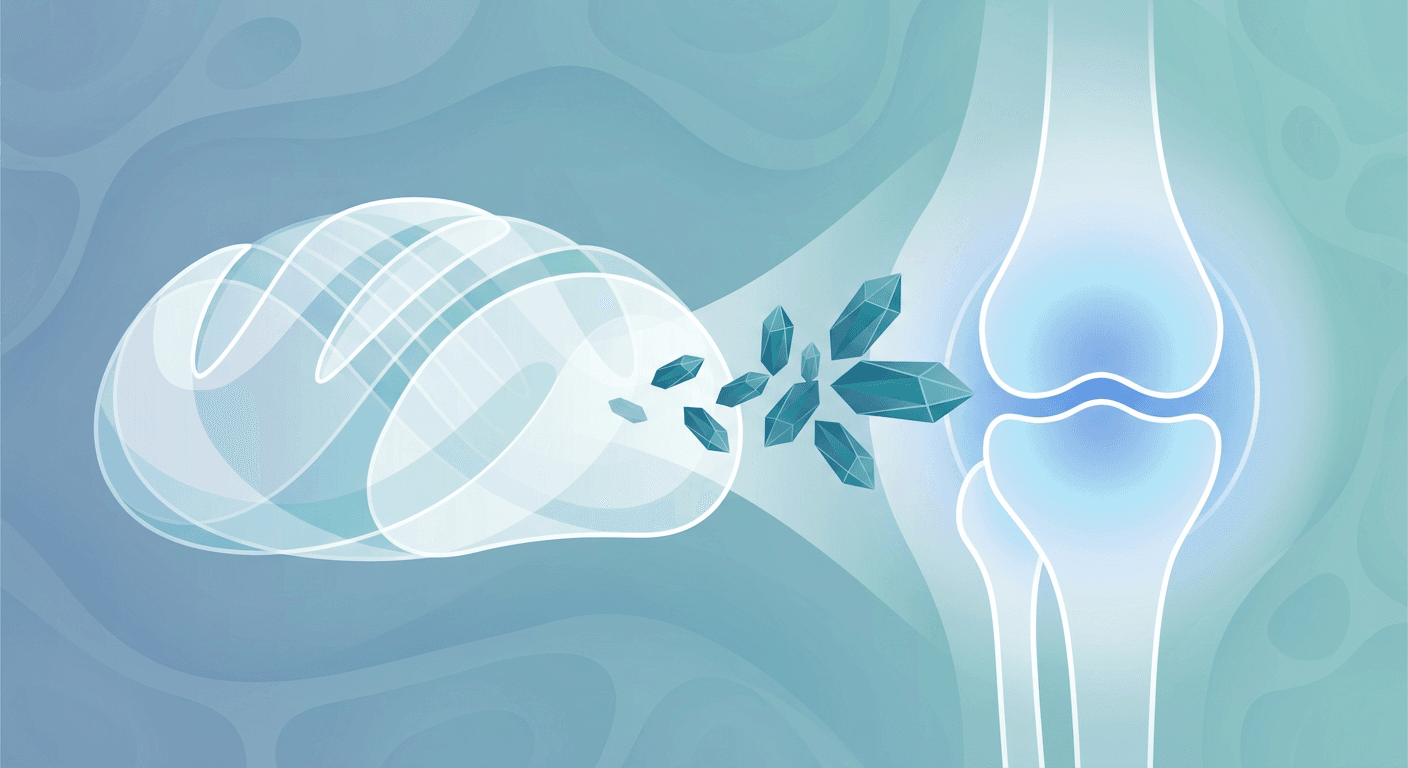
Eating white bread by itself is not a well‑established direct trigger for gout flare‑ups, but patterns often associated with refined grains such as high intake of added sugars, high‑fructose corn syrup, and excess calories leading to weight gain are linked to higher uric acid and more gout attacks. [1] [2] In other words, white bread is low in purines, but it is a refined carbohydrate that can contribute to gout indirectly if it replaces whole grains, adds excess calories, or is paired with sugary drinks and processed foods. [3] [4]
How gout and food are connected
- Uric acid and purines: Gout flares occur when uric acid builds up and forms crystals in joints; purines in certain foods are converted to uric acid in the body. [1] [5]
- Strong dietary triggers: Alcohol (especially beer), high‑purine meats/seafood, and foods or drinks rich in fructose and added sugars are consistently linked to higher gout risk and flares. [1] [2]
- Weight and metabolic health: Obesity, insulin resistance, hypertension, chronic kidney disease, and diuretics also raise gout risk, and diet influences many of these. [5] [6]
Where white bread fits
- Purine content: White bread and most refined grains have low purine content compared with red meat, organ meats, and some seafood, so they are not classic “purine triggers.” [5]
- Refined carbohydrate effects: Diets high in refined carbohydrates can promote weight gain and worsen insulin resistance, both of which are associated with higher uric acid and gout. Guidance for gout emphasizes limiting sugary foods/drinks (including baked goods with high‑fructose corn syrup), choosing healthier carbohydrate sources, and managing weight. [1] [3] [4]
- Bottom line: White bread in moderate portions is unlikely to trigger a flare on its own, but frequent or large servings especially alongside sugary beverages and snacks can contribute to the metabolic conditions that make flares more likely. [1] [2]
Evidence‑based dietary priorities for gout
- Limit high‑purine animal foods: Red meat, organ meats, and certain seafoods raise flare risk. [1] [2]
- Avoid or limit fructose and added sugars: Sugar‑sweetened drinks and high‑fructose corn syrup increase gout risk and flares; many processed baked goods fall into this category. [1] [3]
- Manage alcohol, especially beer: Alcohol raises uric acid and flare risk; avoid during flares and limit between flares. [2] [3]
- Maintain a healthy weight: Calorie control and weight loss can lower uric acid and reduce attacks, even without strict purine restriction. [7] [8]
- Choose protective foods: Low‑fat dairy, coffee (if appropriate for you), vitamin C, and plenty of vegetables are often encouraged in gout‑friendly eating patterns. [3] [4]
Better bread choices
- Whole‑grain breads (e.g., whole wheat, oats, rye) provide fiber and have a lower glycemic effect than white bread, supporting weight and metabolic health without adding purines. Guidelines for gout commonly align with balanced patterns like the Mediterranean or DASH diets, which favor whole grains over refined grains. [7] [9]
- Check for added sugars: Some breads and buns contain added sugars or high‑fructose corn syrup avoid these to reduce gout risk factors. [3]
- Portion awareness: 1 slice is typically one serving; pairing bread with lean protein and vegetables helps moderate glucose spikes and calories. [10]
Practical tips to reduce flare risk
- Swap white bread with whole‑grain options most of the time while keeping portions moderate. [7]
- Cut back on sweetened beverages and desserts; choose water, unsweetened tea, or coffee if appropriate. [3]
- Emphasize low‑fat dairy, vegetables, legumes, nuts, and olive oil; enjoy fish in small amounts if tolerated. [3] [7]
- If you drink alcohol, limit intake and avoid alcohol during flares; beer is more problematic than wine for many people. [2]
- Work toward gradual weight loss if you have excess weight; even modest loss helps lower uric acid and flares. [7] [8]
Quick reference: Foods and gout risk
| Category | Examples | Effect on Gout Risk |
|---|---|---|
| High‑purine animal foods | Red meat, organ meats, some seafood | Increase risk; limit or avoid [1] [2] |
| Fructose‑rich/sugary items | Soda, sweetened juices, HFCS baked goods | Increase risk; limit or avoid [1] [3] |
| Alcohol | Beer, spirits | Increase risk; avoid during flares, limit otherwise [2] [3] |
| Refined grains | White bread, white rice | Low purine; neutral to indirect risk via calories/weight; choose whole grains instead [7] [9] |
| Whole grains | Whole‑wheat bread, oats, brown rice | Preferred carb source in gout‑friendly diets [7] [9] |
| Low‑fat dairy | Skim milk, yogurt | May help lower risk [3] |
| Coffee/Vitamin C | Coffee, vitamin C intake | May be protective for some people; individualize [3] |
Takeaway
White bread does not contain high purines and is unlikely to directly trigger gout, but it is a refined carbohydrate that can indirectly raise flare risk when it contributes to excess calories, weight gain, or accompanies sugary foods; choosing whole grains, limiting added sugars and alcohol, and focusing on overall weight and metabolic health are more impactful for gout control. [1] [2] [7]
Related Questions
Related Articles



Sources
- 1.^abcdefghijGout(cdc.gov)
- 2.^abcdefghiGout - Symptoms and causes(mayoclinic.org)
- 3.^abcdefghijklCan the foods you eat help to manage gout?(mayoclinic.org)
- 4.^abcGout diet: What's allowed, what's not(mayoclinic.org)
- 5.^abcGout(cdc.gov)
- 6.^↑Gout(medlineplus.gov)
- 7.^abcdefghCan the foods you eat help to manage gout?(mayoclinic.org)
- 8.^abCan the foods you eat help to manage gout?(mayoclinic.org)
- 9.^abcCan the foods you eat help to manage gout?(mayoclinic.org)
- 10.^↑Can the foods you eat help to manage gout?(mayoclinic.org)
Important Notice: This information is provided for educational purposes only and is not intended to replace professional medical advice, diagnosis, or treatment. Always consult with a qualified healthcare provider before making any medical decisions.