
 Persly Medical Team
Based on PubMed | Does eating honey help with fatty liver disease, or can its fructose worsen the condition?
Honey is not a proven treatment for fatty liver disease and should be treated like any added sugar. Small, occasional amounts can fit a healthy diet, but frequent or high intake, especially in drinks, may worsen NAFLD due to fructose. Prioritize limiting added sugars, maintaining calorie balance, and exercising regularly.
Eating honey is not a proven treatment for fatty liver disease, and in most cases it should be treated like any other added sugar: keep it limited. While honey contains antioxidants and may have some healthful properties, it also delivers fructose and glucose simple sugars that can drive liver fat production when consumed in excess. For people with nonalcoholic fatty liver disease (NAFLD), the most consistent advice is to reduce simple sugars overall, especially in drinks and added sweeteners. So, small amounts of honey used sparingly can fit into an overall healthy diet, but frequent or high intake may worsen fatty liver. [1] [2]
Why fructose matters for fatty liver
- saver studies in humans link higher intake sup of fructose and simple sugars with NAFLD and more advanced disease. Higher fructose intake has sop been associated with liver insulin resistance and greater fibrosis severity in NAFLD. [3]
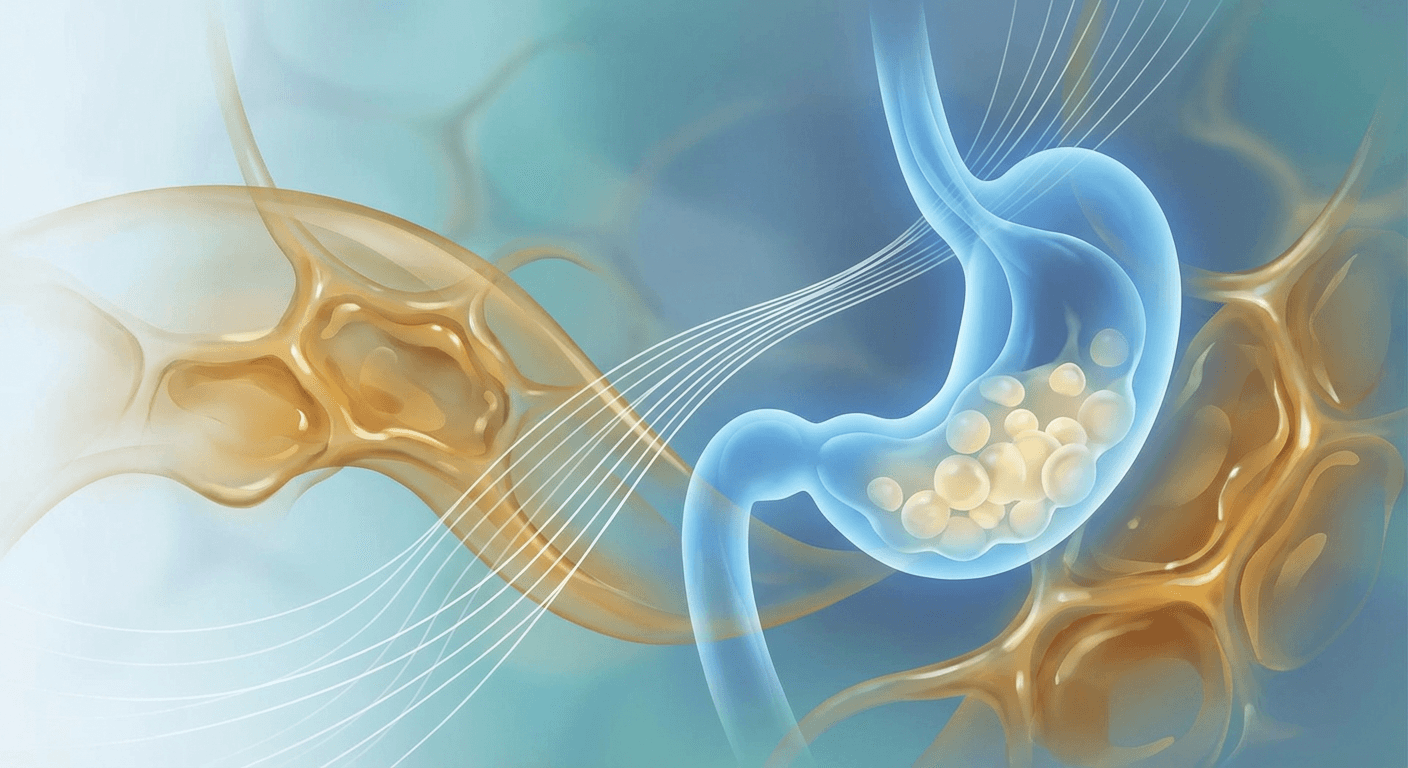
- Mechanistically, excess fructose can increase de novo lipogenesis (the liver’s conversion of sugar to fat), reduce fat burning, and promote oxidative stress and inflammation, processes implicated in progression from simple fatty liver to steatohepatitis. [4]
Where honey fits among sweeteners
- Honey is a natural mixture of roughly equal parts fructose and glucose with water and small amounts of vitamins, minerals, and polyphenols. From a metabolic perspective, the fructose it contains is still handled by the liver similarly to other sugars. [3]
- Some animal studies suggest honey may be less harmful than certain refined sugars, and honey has recognized topical and cough‑soothing benefits in other settings, but these findings do not establish honey as protective for fatty liver in humans. There are no high‑quality clinical trials showing honey improves NAFLD. [5] [6]
Practical guidance for NAFLD and sugar
- Major medical guidance for NAFLD emphasizes limiting simple sugars and sweetened beverages (soda, sports drinks, juices, sweet tea) because these are common sources of excess fructose and calories. This principle applies to honey as an added sweetener as well. [1] [2]
- Focusing on overall calorie balance, weight control, and regular physical activity remains the cornerstone for improving liver fat. [1] [2]
How much honey is reasonable?
There is no specific “safe” honey dose established for NAFLD, but the broader sugar literature suggests that adverse effects are most evident with higher intakes and when sugars add excess calories. Keeping total added sugars (including honey) low ideally well below 10% of daily calories and avoiding sugar‑sweetened drinks aligns with liver‑healthy practices. [1] [2]
- If you choose to use honey, use it sparingly (for example, a small drizzle), count it as an added sugar, and avoid using it to sweeten beverages you drink frequently. [1] [2]
What does not help
- Relying on honey as a “healthier” sweetener to improve fatty liver is not supported by clinical evidence, and could backfire if it increases your total sugar and calorie intake. [3] [6]
What does help
- Reduce simple sugars and refined carbs, manage portions, and emphasize a Mediterranean‑style eating pattern rich in vegetables, whole grains, legumes, nuts, fish, and olive oil. Regular exercise (about 150 minutes per week) complements dietary changes and supports liver health. [1] [2]
Bottom line
- Honey is natural and can be enjoyed in small amounts, but it is still an added sugar containing fructose, which can contribute to liver fat when over‑consumed. [3] [4]
- For NAFLD, limiting all added sugars including honey fits best with evidence‑based care, alongside weight management and physical activity. [1] [2]
Would you like help translating these principles into a weekly meal plan that keeps added sugars (including honey) in check?
Related Questions
Related Articles
Sources
- 1.^abcdefgNonalcoholic fatty liver disease - Symptoms and causes(mayoclinic.org)
- 2.^abcdefgNonalcoholic fatty liver disease - Diagnosis and treatment(mayoclinic.org)
- 3.^abcdNutritional modulation of nonalcoholic fatty liver disease and insulin resistance: human data.(pubmed.ncbi.nlm.nih.gov)
- 4.^abThe role of fructose-enriched diets in mechanisms of nonalcoholic fatty liver disease.(pubmed.ncbi.nlm.nih.gov)
- 5.^↑Honey - Mayo Clinic(mayoclinic.org)
- 6.^abPharmacological interventions for nonalcoholic fatty liver disease in adults and in children: a systematic review.(pubmed.ncbi.nlm.nih.gov)
Important Notice: This information is provided for educational purposes only and is not intended to replace professional medical advice, diagnosis, or treatment. Always consult with a qualified healthcare provider before making any medical decisions.