
 Persly Medical Team
Based on PubMed | Is it true that garlic can reverse fatty liver disease?
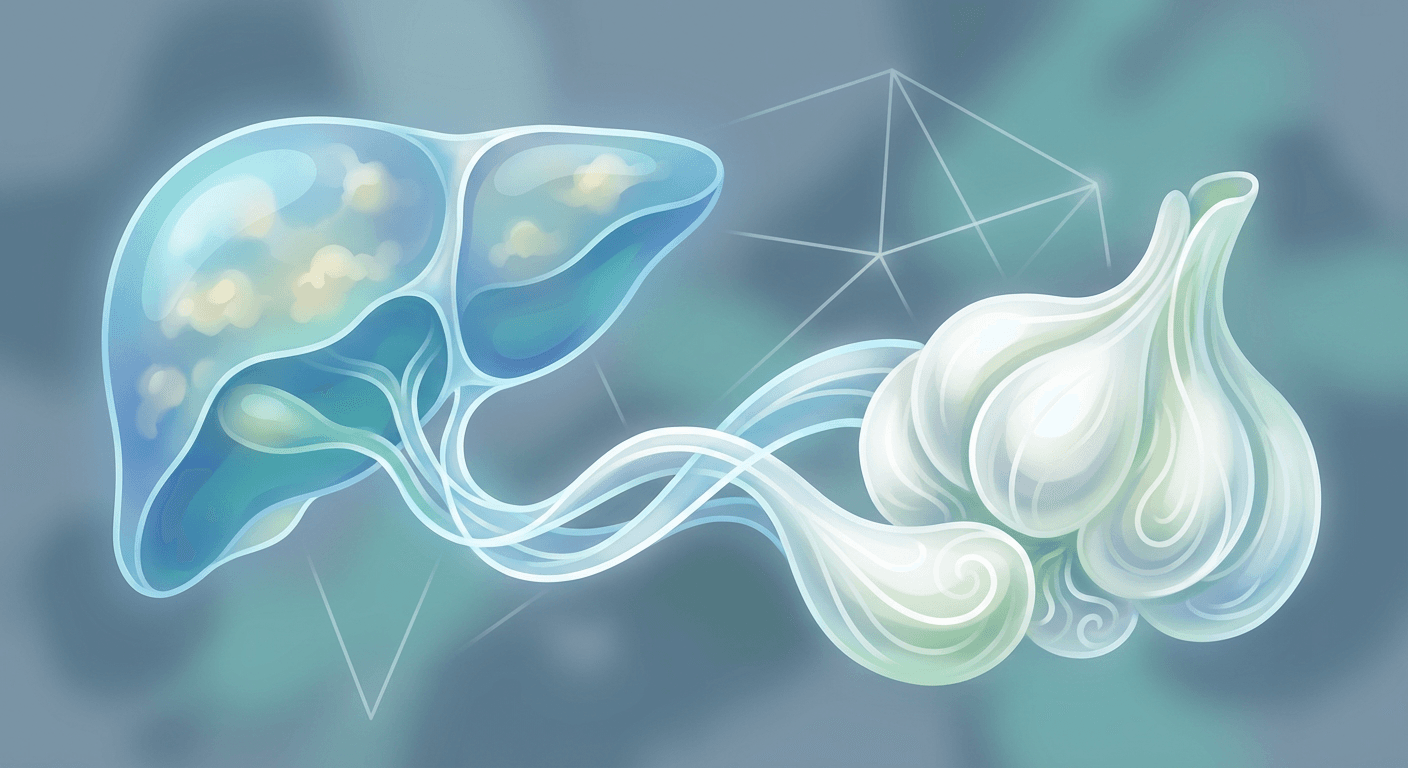
Garlic alone does not reverse fatty liver disease; at best it may modestly lower cholesterol and triglycerides. The most effective treatments are sustained weight loss, a healthier diet, regular exercise, alcohol moderation, and management of related conditions. Garlic can be used in food amounts, but supplements may interact with medicines and should not replace evidence-based care.
Garlic alone is unlikely to “reverse” fatty liver disease, but it may modestly improve some related risk factors like cholesterol and triglycerides when used alongside proven lifestyle changes. [1] For nonalcoholic fatty liver disease (NAFLD), the most reliable way to reduce liver fat and inflammation is sustained weight loss, healthier eating, and regular physical activity, with medical care tailored to underlying conditions such as diabetes or high cholesterol. [2] [3]
What we know about garlic and the liver
- Experimental studies in animals suggest certain garlic compounds (for example, diallyl disulfide and S‑allyl cysteine) can reduce liver fat build‑up, oxidative stress, and inflammation, and may improve lipid metabolism. These findings imply potential liver benefits at a mechanistic level, but they come from animal models using controlled doses, not everyday human use. [4] [5]
- In people, clinical trials on garlic for blood lipids are mixed. Some meta‑analyses show small average reductions in total cholesterol and triglycerides, with little to no consistent effect on LDL or HDL. Such lipid changes can be helpful for heart and metabolic health, but they are modest and not a specific treatment for fatty liver. [1] [6]
- Major clinical guidance for NAFLD emphasizes weight loss, diet quality, physical activity, alcohol moderation/avoidance, and management of related conditions rather than relying on a single supplement. These steps have the best evidence for reducing liver fat and improving liver inflammation and scarring risk. [2] [7] [3] [8]
Can garlic “reverse” fatty liver?
- There is no strong human evidence that garlic by itself reverses NAFLD or NASH (the more inflamed form). At best, garlic could be a minor adjunct that helps improve triglycerides or total cholesterol for some people, but it should not replace first‑line treatments. [1] [2]
- In alcoholic fatty liver disease, stopping alcohol can sometimes reverse fat accumulation, but this improvement is due to abstinence and comprehensive care, not garlic. [9]
Safety and interactions to keep in mind
- Garlic is generally considered safe in food amounts, but supplements can interact with medicines (for example, some antivirals) and have variable effects on drug metabolism and bleeding risk. Rare case reports describe liver toxicity with high‑dose supplementation, especially in complex medical situations like post‑transplant care. [10] [11] [12] [13]
- Potency varies by preparation (raw, powder, aged extract, oil), and active compounds like allicin can be altered by heat, acid, and processing, which makes effects unpredictable across products. [14]
Evidence‑based ways to improve fatty liver
- Weight loss of about 7–10% of body weight is associated with reduced liver fat and improvement in inflammation and fibrosis markers. This typically requires calorie reduction and increased physical activity. [2] [3]
- Dietary patterns that are rich in vegetables, fruits, whole grains, legumes, nuts, and healthy fats, and that limit refined carbohydrates, sugary drinks, and processed meats, are recommended to support liver health and metabolic control. [2]
- Regular exercise (aiming for at least 150 minutes of moderate activity per week) assists with weight management and insulin sensitivity, even if weight loss is modest. [2]
- Manage associated conditions (diabetes, high blood pressure, high triglycerides/cholesterol) and review all medications and supplements with your clinician to avoid liver stress or interactions. Vaccination against hepatitis A and B is also commonly recommended. [8]
Practical takeaways
- Garlic is not a cure for fatty liver, and current human evidence does not show it reliably reverses NAFLD. [1]
- If you enjoy garlic as part of a balanced, liver‑friendly diet, it can be included safely in food amounts; just avoid relying on supplements as a primary treatment without medical guidance. [2] [3]
- Focus on sustained weight loss, diet quality, and activity, which remain the cornerstones of improving fatty liver and overall metabolic health. [2] [3] [8]
Related Questions
Related Articles
Sources
- 1.^abcdThe impact of garlic on lipid parameters: a systematic review and meta-analysis.(pubmed.ncbi.nlm.nih.gov)
- 2.^abcdefghNonalcoholic fatty liver disease - Diagnosis and treatment(mayoclinic.org)
- 3.^abcdeNonalcoholic fatty liver disease - Diagnosis and treatment(mayoclinic.org)
- 4.^↑Garlic essential oil protects against obesity-triggered nonalcoholic fatty liver disease through modulation of lipid metabolism and oxidative stress.(pubmed.ncbi.nlm.nih.gov)
- 5.^↑S-Allyl cysteine improves nonalcoholic fatty liver disease in type 2 diabetes Otsuka Long-Evans Tokushima Fatty rats via regulation of hepatic lipogenesis and glucose metabolism.(pubmed.ncbi.nlm.nih.gov)
- 6.^↑The roles of garlic on the lipid parameters: a systematic review of the literature.(pubmed.ncbi.nlm.nih.gov)
- 7.^↑Nonalcoholic fatty liver disease: MedlinePlus Medical Encyclopedia(medlineplus.gov)
- 8.^abcNonalcoholic fatty liver disease: MedlinePlus Medical Encyclopedia(medlineplus.gov)
- 9.^↑Preventing Liver Cancer(nyulangone.org)
- 10.^↑Garlic(mskcc.org)
- 11.^↑Garlic(mskcc.org)
- 12.^↑Garlic(mskcc.org)
- 13.^↑Garlic(mskcc.org)
- 14.^↑Garlic(mskcc.org)
Important Notice: This information is provided for educational purposes only and is not intended to replace professional medical advice, diagnosis, or treatment. Always consult with a qualified healthcare provider before making any medical decisions.