
 Persly Medical Team
Based on NIH | Is it true that eating dark chocolate can reduce the severity of Fatty liver disease?
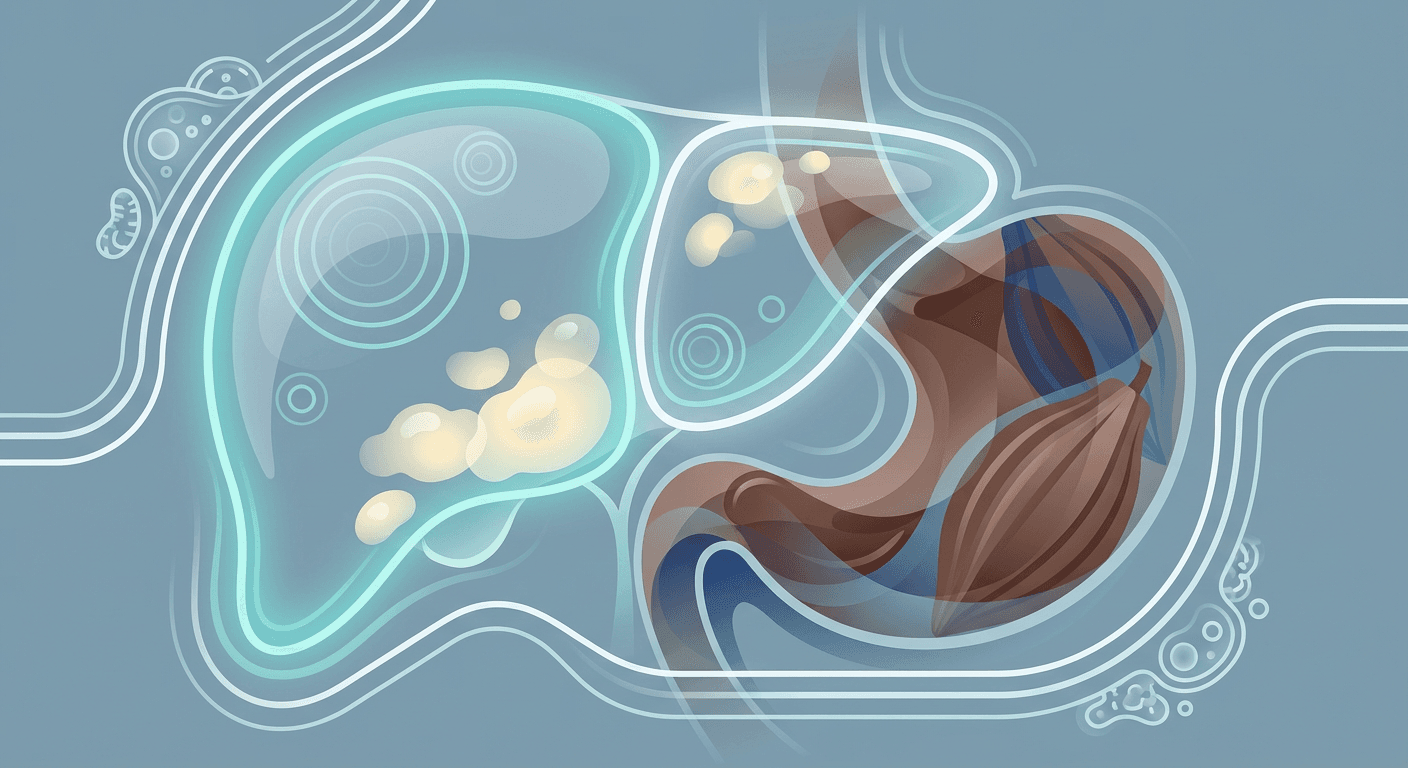
There is no reliable human evidence that eating dark chocolate reduces the severity of fatty liver disease (NAFLD/NASH). Cocoa polyphenols show promise in animal studies, but proven strategies remain weight loss, healthy diet, physical activity, and management of metabolic risks; chocolate can be enjoyed in moderation mindful of sugar and calories.
Can Dark Chocolate Reduce the Severity of Fatty Liver Disease?
There isn’t reliable human evidence that eating dark chocolate reduces the severity of fatty liver disease (including NAFLD or NASH). Current medical guidance focuses on weight loss, physical activity, healthy diet patterns, and managing metabolic risks (blood sugar, cholesterol, blood pressure) rather than recommending chocolate as a therapy. [1] Weight loss is consistently shown to reduce liver fat, inflammation, and scarring risk in NAFLD, whereas dark chocolate has not been proven to do so in clinical trials. [2]
What We Know About NAFLD Treatment
- Lifestyle change is the cornerstone. Losing weight can lower liver fat, inflammation, and fibrosis (scarring), and is the primary recommendation for NAFLD. [2]
- Alcohol and medications. Avoiding heavy alcohol use and addressing medicines that could contribute to liver fat are standard steps. [3] [2]
- Progression risk. NAFLD ranges from simple fatty liver to nonalcoholic steatohepatitis (NASH), which can lead to cirrhosis and liver cancer. [4] [5]
Where Dark Chocolate Fits
- Cocoa flavanols and the liver (animal and lab data). Cocoa contains polyphenols (flavanols) that can have antioxidant and anti-inflammatory effects in experimental models. In rats, cocoa supplementation partially reduced oxidative stress and some liver injury markers in diet-induced fatty liver/NASH models, but did not fully reverse disease. [6] In another rat model of alcohol-related liver injury, cocoa extract reduced ALT, liver fat, and oxidative stress markers. [7]
- Human evidence is lacking. Reviews of polyphenols note hepatoprotective effects in cell and animal studies but emphasize that human trials are needed before considering these compounds as useful tools to prevent or treat liver steatosis. [8] [9]
In short, while cocoa compounds look promising in early research, there are no robust human trials showing that eating dark chocolate improves NAFLD severity. [8] [9]
Practical Considerations If You Enjoy Dark Chocolate
- Sugar and calories matter. Many chocolate products contain sugar and fat, which can add calories and worsen weight-related risk factors for NAFLD if consumed in excess. Keeping total calorie intake in check is key to liver health. [2]
- Choose wisely. If you include chocolate, small portions of high‑cocoa, lower‑sugar dark chocolate may be preferable over milk chocolate; however, this is a taste choice, not a treatment. [10]
- Don’t replace proven strategies. Chocolate should not substitute for weight loss, exercise, and a balanced diet pattern (e.g., Mediterranean-style eating) that supports metabolic health and liver outcomes. [2]
Evidence-Based Options That Help the Liver
- Weight loss targets. Losing around 7–10% of body weight is often associated with meaningful improvements in liver fat and inflammation. [2]
- Diet patterns. Emphasize vegetables, fruits, whole grains, legumes, nuts, fish, and olive oil; limit refined carbs, added sugars, and saturated fats. These changes support weight loss and metabolic health, which can reduce NAFLD severity. [2]
- Coffee may help. Caffeinated coffee has been associated with lower risk of NAFLD and liver scarring, likely through anti-inflammatory compounds, though exact mechanisms are not fully clear. [11]
- Medical review. Work with a clinician to monitor liver enzymes, rule out other causes, and manage conditions like type 2 diabetes and high cholesterol, which influence NAFLD progression. [1] [2]
Bottom Line
- There is no clinical proof that dark chocolate reduces NAFLD severity in humans. Current strategies with demonstrated benefit are weight loss, diet quality, physical activity, and management of metabolic risks. [2] [1]
- Cocoa polyphenols show promise in animal studies, but human trials are needed before recommending dark chocolate as a liver therapy. [6] [8] [9]
Quick Reference Table: Dark Chocolate vs. Evidence-Based Strategies
| Approach | Evidence in Humans | Potential Benefit for NAFLD | Key Notes |
|---|---|---|---|
| Dark chocolate (cocoa flavanols) | No robust clinical trials in NAFLD | Unproven | Animal studies show partial improvements; sugar/calories can be problematic. [6] [8] [9] |
| Weight loss (7–10%) | Strong evidence | Reduces liver fat, inflammation, fibrosis risk | First-line recommendation; sustained lifestyle change needed. [2] |
| Healthy diet pattern | Strong supportive evidence | Supports weight loss and metabolic health | Focus on whole foods; limit sugars and refined carbs. [2] |
| Coffee (caffeinated) | Observational human data | May lower NAFLD and scarring risk | Mechanism not fully clear; avoid excess additives. [11] |
If you’re considering dietary changes for NAFLD, focusing on calorie control, nutrient-dense foods, regular exercise, and medical follow-up is most likely to help, while dark chocolate can be enjoyed in moderation as part of overall calorie-aware eating rather than as a treatment. [2] [1] [11]
Related Questions
Related Articles
Sources
- 1.^abcdFatty Liver Disease(medlineplus.gov)
- 2.^abcdefghijklFatty Liver Disease(medlineplus.gov)
- 3.^↑Fatty Liver Disease(medlineplus.gov)
- 4.^↑Fatty Liver Disease(medlineplus.gov)
- 5.^↑Fatty Liver Disease(medlineplus.gov)
- 6.^abcThe effect of cocoa supplementation on hepatic steatosis, reactive oxygen species and LFABP in a rat model of NASH.(pubmed.ncbi.nlm.nih.gov)
- 7.^↑Cocoa extract protects against early alcohol-induced liver injury in the rat.(pubmed.ncbi.nlm.nih.gov)
- 8.^abcdEffects of resveratrol and other polyphenols in hepatic steatosis.(pubmed.ncbi.nlm.nih.gov)
- 9.^abcdEffects of resveratrol and other polyphenols in hepatic steatosis.(pubmed.ncbi.nlm.nih.gov)
- 10.^↑Polyphenols in cocoa and cocoa products: is there a link between antioxidant properties and health?(pubmed.ncbi.nlm.nih.gov)
- 11.^abcNonalcoholic fatty liver disease - Diagnosis and treatment(mayoclinic.org)
Important Notice: This information is provided for educational purposes only and is not intended to replace professional medical advice, diagnosis, or treatment. Always consult with a qualified healthcare provider before making any medical decisions.