
 Persly Medical Team
Based on NIH | Is it true that only people who drink alcohol get fatty liver disease?
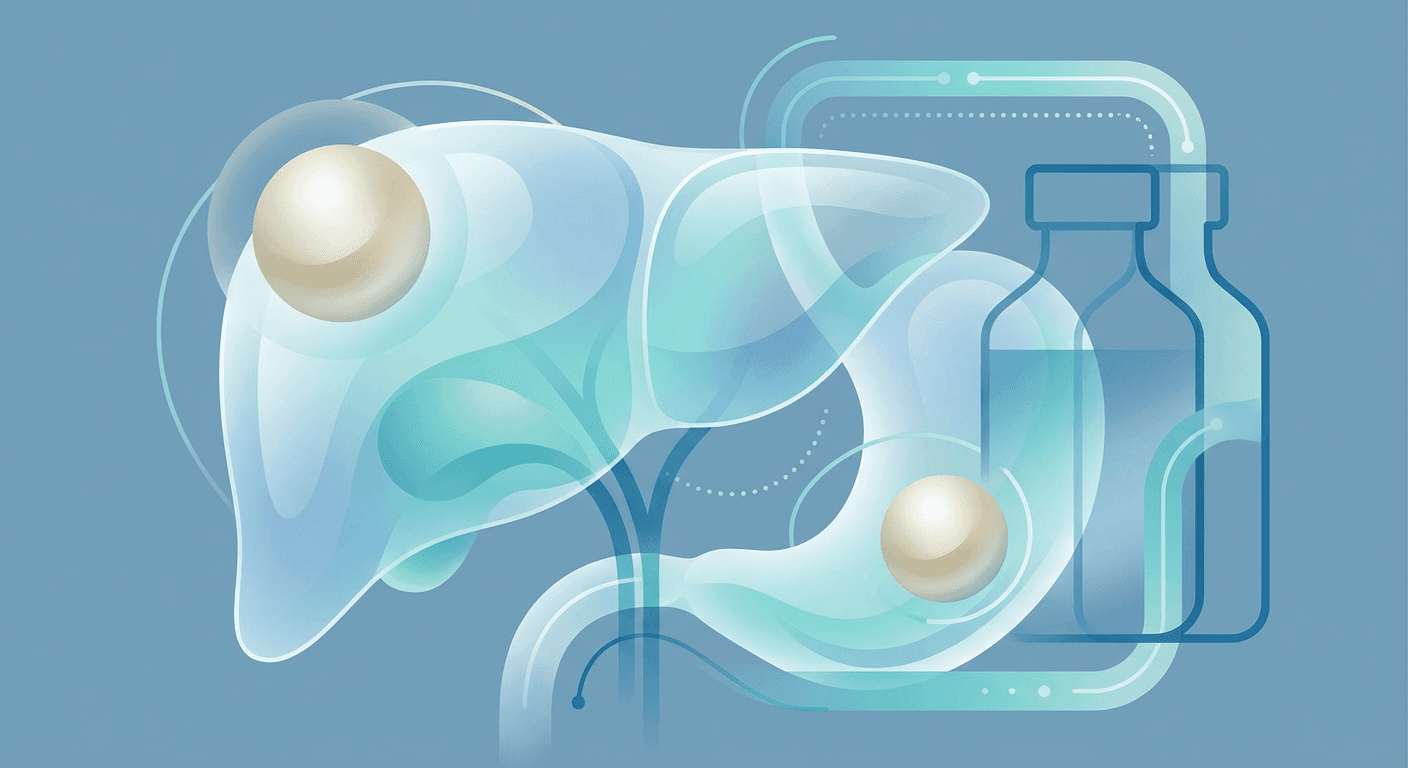
Fatty liver disease can occur with or without alcohol use. There are two main types: alcoholic fatty liver disease from heavy drinking and nonalcoholic fatty liver disease (NAFLD) linked to metabolic risks like obesity, diabetes, and high triglycerides. Both can progress from simple fat to inflammation and scarring; limiting alcohol and improving metabolic health help reduce risk.
No fatty liver disease can happen with or without alcohol use. There are two main types: alcoholic fatty liver disease (from heavy drinking) and nonalcoholic fatty liver disease (NAFLD), which occurs in people who do not drink heavily. [1] [2] Alcohol can clearly lead to fat buildup and liver injury, but many people develop fatty liver due to metabolic factors such as obesity, type 2 diabetes, and high triglycerides, even if they consume little or no alcohol. [1] [2]
What “fatty liver” means
Fatty liver means excess fat is stored in liver cells. Both alcoholic and nonalcoholic forms range from simple fat (steatosis) to inflammation and injury (steatohepatitis), which can progress to scarring (cirrhosis) and, rarely, liver cancer. [1] [3] In NAFLD, the severe inflammatory form is called nonalcoholic steatohepatitis (NASH). [3] NAFLD is now one of the most common liver conditions worldwide. [3]
Two main types and how they differ
- Alcoholic fatty liver disease (ALD): Heavy alcohol intake overwhelms the liver’s ability to process alcohol, leading to fat buildup and potential injury. Stopping alcohol can often improve early disease. [4]
- Nonalcoholic fatty liver disease (NAFLD): Fat builds up in people who do not drink excessively, commonly linked to obesity, diabetes, insulin resistance, and abnormal blood lipids. [5] [1] Some people develop NAFLD even without these risks, but metabolic factors are most common. [2] [6]
Key risk factors beyond alcohol
- Excess body weight and central obesity are strong drivers of NAFLD. [7]
- Prediabetes/Type 2 diabetes and insulin resistance increase risk. [7]
- High triglycerides or cholesterol and features of metabolic syndrome are closely tied to NAFLD. [5] [8]
- Age, certain hormones (e.g., hypopituitarism), and genetics can also play roles. [6] [8]
- Overlap happens: Some people have both metabolic risks and drink alcohol, and combined risks can worsen outcomes. [9] [10]
Shared disease pathway
Although causes differ, alcoholic and nonalcoholic fatty liver diseases share similar patterns from fat accumulation to inflammation, scarring, and complications and involve overlapping biological processes such as oxidative stress and inflammatory signaling. [11] This explains why both forms can lead to similar long‑term liver damage if not addressed. [3] [1]
Common symptoms and detection
Most people with fatty liver have no symptoms early on. Fatty liver is often found because of mild liver enzyme elevations or on imaging (like ultrasound) done for other reasons. [1] Because NAFLD is common in people with metabolic risks, clinicians often screen those groups. [1]
What you can do
- Limit or avoid alcohol if there is any concern for liver disease; even in metabolic fatty liver, alcohol can add risk. [1]
- Achieve and maintain a healthy weight through balanced diet and regular exercise; even 5–10% weight loss may reduce liver fat and inflammation. [12] [13]
- Control blood sugar, blood pressure, and lipids with lifestyle and medications as advised. [7]
- Use medicines properly and review any that might affect the liver with your clinician. [12]
- Regular follow‑up is important, because some people progress from simple fat to inflammation and scarring. [2] [3]
Quick comparison at a glance
| Feature | Alcoholic fatty liver disease | Nonalcoholic fatty liver disease (NAFLD) |
|---|---|---|
| Main driver | Heavy alcohol use | Metabolic factors (obesity, insulin resistance, diabetes, high triglycerides) |
| Alcohol exposure | Excessive | Little or none |
| Disease spectrum | Steatosis → alcoholic hepatitis → cirrhosis | Simple steatosis → NASH → fibrosis/cirrhosis |
| Overlap with other risks | May coexist with obesity/diabetes | May be worsened by any alcohol use |
| Key action | Abstain from alcohol | Weight loss, diet, exercise, manage metabolic risks |
Alcohol is not the only cause of fatty liver disease many people who drink little or no alcohol can still develop fatty liver due to metabolic health factors, and both forms can be serious without early management. [1] [2] [3]
Related Questions
Related Articles
Sources
- 1.^abcdefghiFatty Liver Disease(medlineplus.gov)
- 2.^abcdeNonalcoholic fatty liver disease: MedlinePlus Medical Encyclopedia(medlineplus.gov)
- 3.^abcdefNonalcoholic fatty liver disease - Symptoms and causes(mayoclinic.org)
- 4.^↑Preventing Liver Cancer(nyulangone.org)
- 5.^abElastography: MedlinePlus Medical Test(medlineplus.gov)
- 6.^abNonalcoholic fatty liver disease - Symptoms and causes(mayoclinic.org)
- 7.^abcNonalcoholic fatty liver disease: MedlinePlus Medical Encyclopedia(medlineplus.gov)
- 8.^abNonalcoholic fatty liver disease - Symptoms and causes(mayoclinic.org)
- 9.^↑Multicausality in fatty liver disease: is there a rationale to distinguish between alcoholic and non-alcoholic origin?(pubmed.ncbi.nlm.nih.gov)
- 10.^↑Multicausality in fatty liver disease: is there a rationale to distinguish between alcoholic and non-alcoholic origin?(pubmed.ncbi.nlm.nih.gov)
- 11.^↑The epidemiology, pathogenesis and histopathology of fatty liver disease.(pubmed.ncbi.nlm.nih.gov)
- 12.^abNonalcoholic fatty liver disease: MedlinePlus Medical Encyclopedia(medlineplus.gov)
- 13.^↑Nonalcoholic fatty liver disease - Symptoms and causes(mayoclinic.org)
Important Notice: This information is provided for educational purposes only and is not intended to replace professional medical advice, diagnosis, or treatment. Always consult with a qualified healthcare provider before making any medical decisions.