
 Persly Medical Team
Based on PubMed | Is it true that eating dark chocolate can reduce diabetes symptoms by improving blood sugar control?
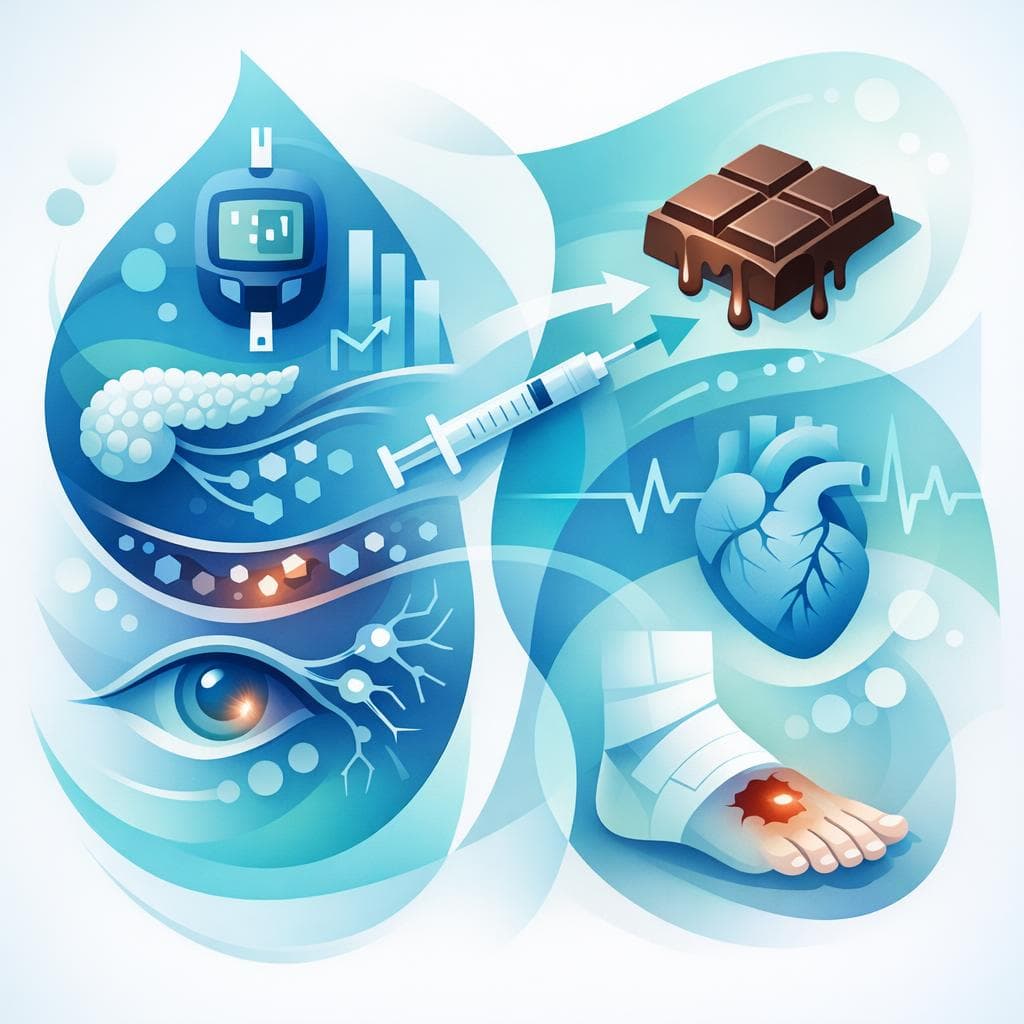
Dark chocolate is not a treatment for diabetes and has not been shown to improve long-term blood sugar control (HbA1c). Cocoa flavanols may modestly lower fasting glucose and blood pressure in the short term, especially with low-sugar formulations, but they should not replace proven diet, exercise, or medications.
Eating dark chocolate is not a proven treatment for diabetes, and it should not be used to “reduce diabetes symptoms.” However, cocoa (the main ingredient in dark chocolate) contains flavanols that may have modest, short‑term benefits on certain heart and metabolic markers when consumed in controlled amounts and in carefully designed products. The overall evidence suggests small improvements in fasting blood sugar and blood pressure from cocoa or high‑cocoa products, but consistent improvements in long‑term blood sugar control (HbA1c) are not established. [1] [2]
What the evidence shows
-
Modest blood sugar effects: A large meta‑analysis of randomized trials in adults found cocoa consumption was associated with a small reduction in fasting blood glucose (about −5 mg/dL on average). Importantly, there was no significant change in HbA1c, which reflects longer‑term glucose control. [1] [2]
-
Blood pressure and lipids: The same analysis showed small reductions in systolic and diastolic blood pressure and improvements in LDL and total cholesterol, which could be heart‑protective over time. These benefits were modest and varied across studies. [1] [2]
-
Trials in diabetes are limited: Studies specifically in adults with type 2 diabetes are few, short, and use different chocolate formulations and doses. One 8‑week trial of high‑polyphenol dark chocolate in people with type 2 diabetes and hypertension reported decreases in fasting blood sugar and blood pressure, without weight gain, but results need confirmation in larger, longer studies. [3] [4]
-
Sugar‑free vs regular chocolate: In a small crossover study, a single serving of sugar‑free dark chocolate (sweetened with stevia/erythritol/inulin) caused a lower short‑term post‑meal glucose rise than conventional dark chocolate in people with diabetes. This suggests formulation matters for glucose impact. [5] [6]
-
Overall certainty: Reviews emphasize that product types, flavanol doses, and study quality vary widely, and many trials are not long enough to evaluate outcomes that matter most in diabetes (like HbA1c or complications). More rigorous, longer trials are needed for firm conclusions. [7] [8] [9]
Why “dark chocolate” is not the same as “cocoa flavanols”
-
Many chocolate bars are energy‑dense and may contain significant added sugar and fat, which can worsen blood sugar and weight control if portions are not limited. Potential benefits of cocoa flavanols can be offset by the sugar and calories in typical chocolate. [7] [8]
-
The glycemic impact of desserts matters: Carbohydrates, including sugars in chocolate, raise blood sugar; managing total carb intake is key in diabetes. Counting carbs and choosing lower‑sugar options are standard strategies for blood sugar management. [10]
-
If using chocolate as a treat, public health guidance notes that people with diabetes can include desserts in moderation by managing portions and total carbs for the meal. Swapping to options with less sugar (for example, fruit‑sweetened recipes) can be a healthier choice. [11] [12]
-
For treating low blood sugar, chocolate is not ideal because fat slows sugar absorption; fast‑acting carbs are preferred for hypoglycemia. This is a separate but important safety note. [13]
Practical takeaways
-
Dark chocolate is not a diabetes therapy: There is no authoritative guidance that recommends dark chocolate to treat diabetes symptoms or control HbA1c. At best, cocoa flavanols may contribute small improvements in fasting glucose and blood pressure, but these do not replace diet, exercise, and prescribed medications. [1] [2] [7] [8]
-
If you enjoy dark chocolate, consider:
- Choosing products with higher cocoa content and less added sugar to reduce glycemic impact. Sugar‑free formulations can produce smaller post‑meal glucose rises than conventional chocolate. [5] [6]
- Keeping portions small and counting carbs to fit your meal plan. Carb counting remains central to managing blood sugar. [10]
- Prioritizing overall dietary patterns (vegetables, lean proteins, whole grains, healthy fats) and regular physical activity for proven benefits on blood sugar and heart health. These strategies have far stronger evidence than chocolate for diabetes control. [10]
Safety and dose considerations
-
Dose and duration are unclear: Studies use different amounts of flavanols over short periods (often weeks). There is no standardized, evidence‑based “dose” of dark chocolate for diabetes benefits. [9] [7]
-
Weight and calories: Regular chocolate is calorie‑dense; routine intake can contribute to weight gain, which can worsen insulin resistance. Trials generally have not shown weight loss from chocolate consumption. [7] [8]
-
Long‑term outcomes: Evidence is insufficient to show that dark chocolate improves HbA1c, diabetes complications, or long‑term outcomes. Benefits observed so far are small and short‑term. [1] [2] [7] [8]
Bottom line
-
It is not accurate to say dark chocolate “reduces diabetes symptoms.” Some research suggests cocoa flavanols can modestly lower fasting blood sugar and blood pressure, but consistent, meaningful improvements in long‑term blood sugar control (HbA1c) have not been proven. [1] [2]
-
If you like dark chocolate, it can fit as an occasional, portion‑controlled treat within a balanced diabetes meal plan ideally with low‑sugar or sugar‑free formulations to limit glucose spikes. Do not replace evidence‑based diabetes treatments with chocolate, and always manage total carbs. [10] [5] [6] [11]
Quick comparison: cocoa/dark chocolate effects reported in studies
| Outcome | Effect direction | Consistency/notes |
|---|---|---|
| Fasting blood glucose | Small decrease | Meta‑analysis shows modest reduction; not all trials agree. [1] [2] |
| HbA1c (long‑term control) | No clear change | Meta‑analysis found no significant effect. [1] [2] |
| Post‑meal glucose (single snack) | Lower with sugar‑free vs conventional chocolate | Observed in small crossover study. [5] [6] |
| Blood pressure | Small decreases | Meta‑analysis and a diabetes/hypertension RCT show modest reductions. [1] [2] [3] [4] |
| Lipids | LDL and total cholesterol decrease | Modest improvements in meta‑analysis. [1] [2] |
| Weight | No consistent loss | Energy‑dense products can add calories; trials generally short. [7] [8] |
Trusted nutrition principles to prioritize
-
Count carbohydrates and distribute them across meals and snacks to reduce spikes in blood sugar. This is a core strategy recommended for diabetes management. [10]
-
Enjoy desserts in moderation and plan them within your carb targets; consider fruit‑based or lower‑sugar options when possible. This approach helps keep blood sugar in range. [11] [12]
-
Choose fast‑acting carbs (like glucose tablets or juice) for treating low blood sugar; avoid chocolate for this purpose due to slow absorption caused by fat. This supports safer hypoglycemia treatment. [13]
If you are considering cocoa supplements or regularly adding dark chocolate to your routine, it may be helpful to review labels for sugar content and discuss how to fit it into your individualized meal plan, especially if you count carbs or use insulin.
Related Questions
Related Articles

Sources
- 1.^abcdefghijEffects of Cocoa Consumption on Cardiometabolic Risk Markers: Meta-Analysis of Randomized Controlled Trials.(pubmed.ncbi.nlm.nih.gov)
- 2.^abcdefghijEffects of Cocoa Consumption on Cardiometabolic Risk Markers: Meta-Analysis of Randomized Controlled Trials.(pubmed.ncbi.nlm.nih.gov)
- 3.^abHigh-cocoa polyphenol-rich chocolate improves blood pressure in patients with diabetes and hypertension.(pubmed.ncbi.nlm.nih.gov)
- 4.^abHigh-cocoa polyphenol-rich chocolate improves blood pressure in patients with diabetes and hypertension.(pubmed.ncbi.nlm.nih.gov)
- 5.^abcdSugar-Free Dark Chocolate Consumption Results in Lower Blood Glucose in Adults With Diabetes.(pubmed.ncbi.nlm.nih.gov)
- 6.^abcdSugar-Free Dark Chocolate Consumption Results in Lower Blood Glucose in Adults With Diabetes.(pubmed.ncbi.nlm.nih.gov)
- 7.^abcdefgDiabetes and chocolate: friend or foe?(pubmed.ncbi.nlm.nih.gov)
- 8.^abcdefDiabetes and chocolate: friend or foe?(pubmed.ncbi.nlm.nih.gov)
- 9.^abEffects of flavanols and procyanidins-rich cocoa consumption on metabolic syndrome: an update review (2013-2023).(pubmed.ncbi.nlm.nih.gov)
- 10.^abcdeManage Blood Sugar(cdc.gov)
- 11.^abcCan People With Diabetes Have Dessert?(cdc.gov)
- 12.^abCan People With Diabetes Have Dessert?(cdc.gov)
- 13.^abTreatment of Low Blood Sugar (Hypoglycemia)(cdc.gov)
Important Notice: This information is provided for educational purposes only and is not intended to replace professional medical advice, diagnosis, or treatment. Always consult with a qualified healthcare provider before making any medical decisions.