
 Persly Medical Team
Based on PubMed | Is it safe to eat chocolate if I have chronic kidney disease?
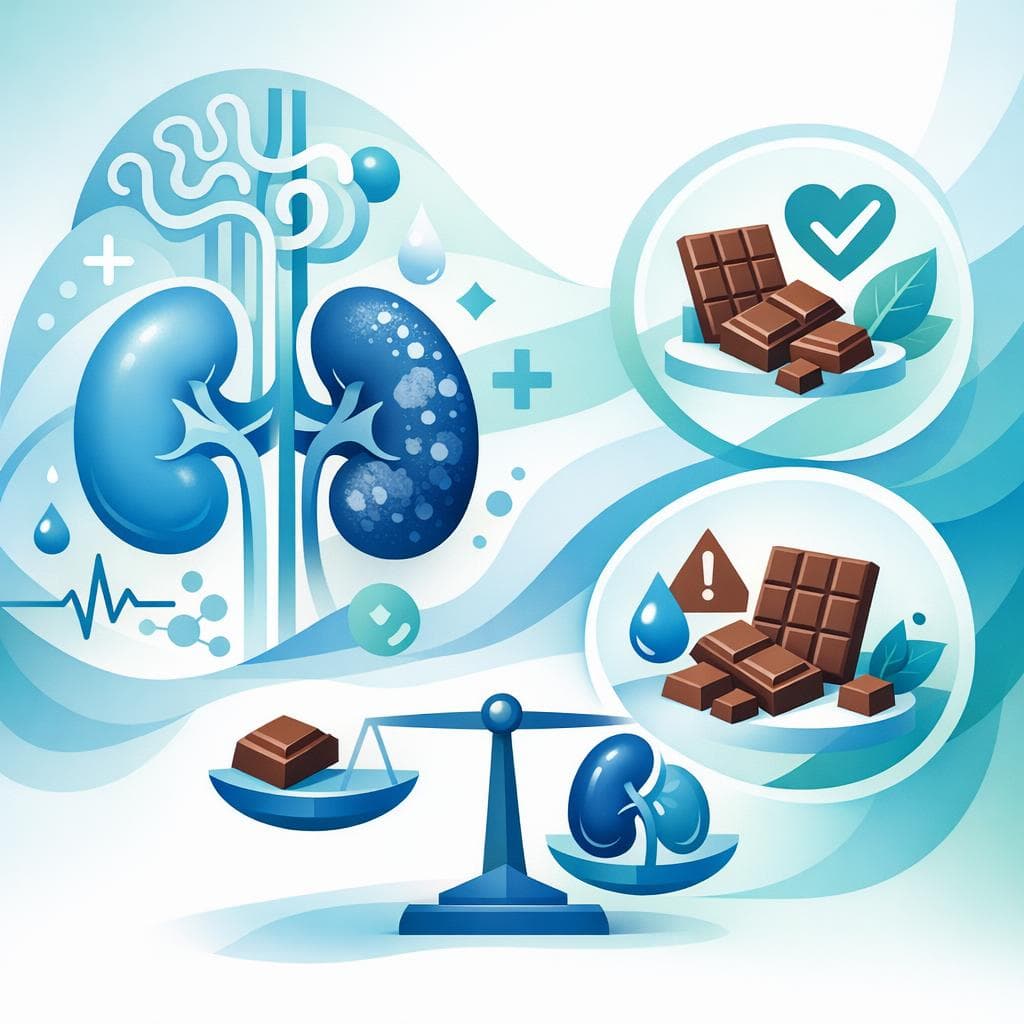
Chocolate isn’t strictly off-limits with chronic kidney disease, but it should be limited due to phosphorus, potassium, oxalate, added sugars, and potential phosphate additives. Choose small portions, read labels to avoid “phos” additives, consider differences between dark and milk chocolate, and work with a kidney dietitian based on your labs.
Chocolate and Chronic Kidney Disease: Is It Safe?
For most people with chronic kidney disease (CKD), chocolate can be enjoyed in small amounts, but it’s important to be mindful of phosphorus, potassium, oxalate, added sugars, and additives. Guidance for CKD diets commonly advises limiting desserts made with dairy, chocolate, nuts, or bananas because they can add extra potassium and phosphorus. [1] Chocolate and caramel are also often listed among foods to limit when managing phosphorus. [2] Overall, a modest portion and careful label reading generally make chocolate an occasional option rather than a daily staple. [1] [2]
Why Chocolate Needs Caution in CKD
- Phosphorus: When kidneys are not working well, excess phosphorus can build up, affecting bone and heart health, so limiting high-phosphorus foods including chocolate may be recommended. [3] Chocolate and caramel are frequently identified as items to limit on low-phosphorus plans. [2]
- Potassium: As CKD progresses, some people need to limit potassium; chocolate and chocolate milk can contribute to potassium intake, and needs may tighten as kidney function declines. [4]
- Additives: Many processed foods use phosphate salts (e.g., dipotassium phosphate) that are highly absorbable and can sharply increase phosphorus load compared with naturally occurring phosphorus. [5] Learning to spot “phos” on ingredient lists helps avoid hidden phosphorus. [6]
- Oxalate and Stones: Chocolate is high in oxalate, a natural plant compound that can contribute to calcium oxalate kidney stones in people who form these stones. [7] In stone formers, dark chocolate increased urinary oxalate, while milk chocolate did not raise oxalate to the same degree (likely because calcium binds oxalate in the gut). [8]
- Sugar and Calories: Many chocolates are high in added sugars, which can worsen blood sugar control and weight both important in CKD care. Heart-healthy eating patterns are encouraged in CKD. [9] [10]
Dark vs. Milk Chocolate: Key Differences for CKD
- Dark chocolate has more cocoa solids per bite, which means typically more potassium, phosphorus, and oxalate than milk chocolate. This can matter if you’ve been told to restrict those minerals. [2] [4]
- Milk chocolate contains more dairy and sugar and often less cocoa; while it may have lower oxalate impact in stone formers due to calcium content, it can still contribute phosphorus (from dairy) and added sugar. [2] [8]
- A small clinical trial in hemodialysis patients found that 70% dark chocolate (40 g, three times per week) reduced inflammation (TNF-α) without raising blood phosphorus or potassium over two months; however, this was a supervised setting with frequent monitoring, and individual responses can differ. [11]
Practical Tips: How to Include Chocolate Safely
- Portion control: Consider limiting to a small serving (e.g., 1–2 squares or ~10–15 g) on days when your meal plan leaves room for potassium/phosphorus. This aligns with guidance to limit chocolate-based desserts rather than avoid all sweets entirely. [1]
- Check labels for “phos”: Avoid products listing phosphate additives (e.g., dipotassium phosphate, sodium phosphate); these additives are highly absorbed and push phosphorus intake up. [5] [6]
- Prefer simpler bars: Choose plain bars with short ingredient lists and without added phosphate salts or fortified mineral blends. Lecithin alone isn’t associated with higher phosphorus content like phosphate salts are. [12]
- Balance your day: If your plan requires potassium or phosphorus limits, “spend” them wisely skip other high-potassium or high-phosphorus items (like large dairy portions or nuts) if you choose a small chocolate treat. [4] [2]
- Consider oxalate risk: If you have a history of calcium oxalate stones, dark chocolate may raise urinary oxalate; pairing chocolate with a calcium-containing food at meals may help bind oxalate in the gut, but overall intake should remain limited. [7] [8]
- Work with a dietitian: CKD needs change over time; a kidney dietitian can tailor how much and what type of chocolate fits your labs, stage, and other goals. [4] [2]
What to Look for on the Label
- Ingredients: Avoid words with “phos” (e.g., dipotassium phosphate, sodium phosphate, calcium phosphate). [6]
- Nutrition Facts: Watch serving size, added sugars, and if available, check for potassium and phosphorus (not always listed). [13]
- Simpler is better: Fewer added minerals and shorter ingredient lists often mean lower additive phosphorus. [5]
Suggested Serving Ideas
- Small square of plain dark or milk chocolate as an occasional dessert, avoiding bars with phosphate salts. [5]
- Cocoa powder in baking can be more concentrated in minerals; keep portions small and avoid phosphate-added mixes. [2]
- If you form oxalate stones, consider limiting dark chocolate and, if used, consume with a calcium-containing meal to reduce oxalate absorption. [8] [7]
Bottom Line
Chocolate doesn’t have to be off-limits with CKD, but it tends to be a “sometimes food.” Keeping servings small, avoiding phosphate additives, accounting for potassium and phosphorus in your daily plan, and considering oxalate if you form stones are sensible steps. Diet needs vary by CKD stage and labs, so a personalized plan with a kidney dietitian is ideal. [4] [2]
Related Questions
Related Articles

Sources
- 1.^abcDiet - chronic kidney disease: MedlinePlus Medical Encyclopedia(medlineplus.gov)
- 2.^abcdefghiLow-phosphorus diet: Helpful for kidney disease?(mayoclinic.org)
- 3.^↑Lifestyle Changes for Kidney Disease(nyulangone.org)
- 4.^abcdeEating right for chronic kidney disease(mayoclinic.org)
- 5.^abcd[Nutrition for patients on dialysis].(pubmed.ncbi.nlm.nih.gov)
- 6.^abcLow-phosphorus diet: Helpful for kidney disease?(mayoclinic.org)
- 7.^abcSymptoms and causes - Mayo Clinic(mayoclinic.org)
- 8.^abcdEffects of an oxalate load on urinary oxalate excretion in calcium stone formers.(pubmed.ncbi.nlm.nih.gov)
- 9.^↑Chronic Kidney Disease(medlineplus.gov)
- 10.^↑Eating right for chronic kidney disease(mayoclinic.org)
- 11.^↑Dark chocolate (70% cocoa) attenuates the inflammatory marker TNF-α in patients on hemodialysis.(pubmed.ncbi.nlm.nih.gov)
- 12.^↑Phosphorus Additives and Their Impact on Phosphorus Content in Foods-An Analysis of the USDAs Branded Foods Product Database.(pubmed.ncbi.nlm.nih.gov)
- 13.^↑Food labeling: MedlinePlus Medical Encyclopedia(medlineplus.gov)
Important Notice: This information is provided for educational purposes only and is not intended to replace professional medical advice, diagnosis, or treatment. Always consult with a qualified healthcare provider before making any medical decisions.