
 Persly Medical Team
Based on PubMed | Does drinking alcohol accelerate the progression of chronic kidney disease?
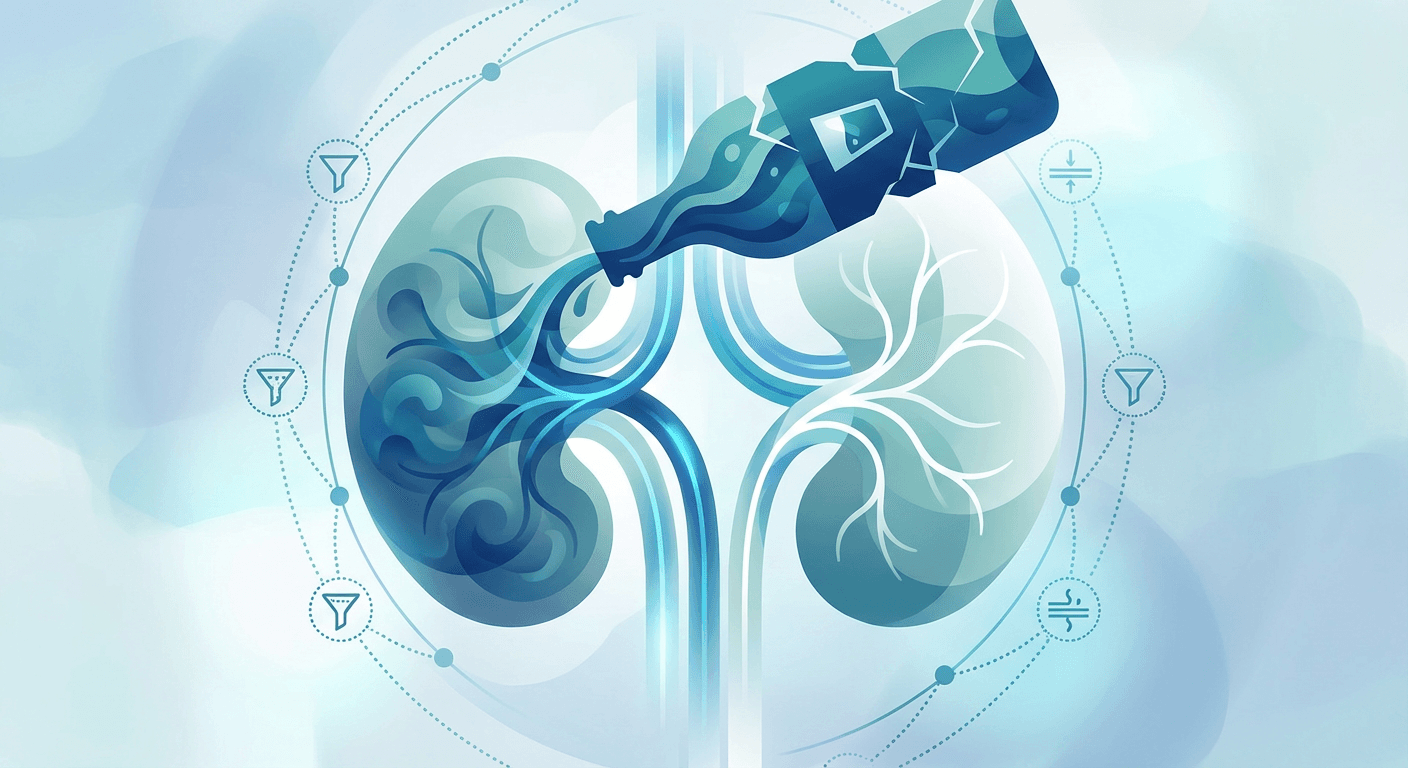
Light to moderate alcohol intake has not been shown to directly accelerate chronic kidney disease (CKD) progression. Heavy or binge drinking can raise blood pressure and stress the kidneys, which may worsen CKD; most guidance recommends keeping intake within moderate limits and coordinating with your care team.
Alcohol and CKD progression: what we know Alcohol does not appear to directly speed up chronic kidney disease (CKD) progression when consumed in light to moderate amounts, but heavy drinking can worsen factors like high blood pressure that drive kidney damage. Most public health guidance advises limiting alcohol because it can raise blood pressure, which is a key cause and accelerator of CKD. [1] [2] If you choose to drink, keeping it within standard “moderate” limits is generally recommended to reduce strain on the kidneys and cardiovascular system. [3] [4]
What guidelines recommend
- Limit alcohol to moderate levels: up to 1 standard drink per day for women of all ages and men over 65, and up to 2 per day for men 65 and younger. [3] These limits are suggested to avoid increases in blood pressure and excess kidney strain. [3]
- People living with or at risk for CKD are advised to limit alcohol because alcohol can increase the risk of high blood pressure, a major CKD risk factor. [1] This advice is echoed in guidance on day‑to‑day CKD self‑management. [2]
What studies suggest about progression
- A large meta‑analysis of 20 observational studies (≈292,000 participants) did not find that high alcohol intake increased risk of CKD, proteinuria, or end‑stage kidney disease overall; in men, there was even an inverse association with incident CKD in some datasets. However, these findings may reflect confounding (for example, healthier drinker effects) and do not prove safety for individuals with established CKD. [5]
- In an older adult cohort, light to moderate alcohol intake was not linked to faster decline in kidney function compared with non‑drinkers. This suggests moderate intake may be neutral for kidney function in older adults. [6]
Why cautious limits still make sense
- Blood pressure effect: Alcohol can raise blood pressure; uncontrolled blood pressure is a leading cause of CKD progression. Limiting alcohol is therefore a practical way to help keep blood pressure in target ranges. [1] [2]
- Potential kidney stress with heavy use: Experimental and mechanistic data show chronic heavy alcohol exposure can impair tubular function, increase oxidative stress, and trigger inflammation in the kidneys, changes that are biologically plausible contributors to kidney injury. While these models don’t directly equate to moderate social drinking, they support caution against heavy intake. [7] [8]
Practical takeaways for people with CKD
- Staying within moderate limits is generally considered safer and may not accelerate CKD progression for many people, especially if blood pressure, diabetes, and other conditions are well controlled. [3] [2]
- Avoid heavy or binge drinking because it can spike blood pressure and may contribute to kidney injury and cardiovascular harm. [1] [2]
- Coordinate with your care team if you take medicines (for example, blood pressure drugs) or have complications (anemia, electrolyte issues), as alcohol can interact with medications and nutritional plans for CKD. Personalized advice is best because CKD stage, comorbidities, and lab results matter. [2]
Standard drink and safe limits
| Item | Moderate limit (general guidance) | Notes |
|---|---|---|
| Women (all ages) | Up to 1 drink/day | A “standard drink” ≈ 14 g alcohol (e.g., 150 mL wine, 355 mL beer, 44 mL spirits). [3] |
| Men ≤65 years | Up to 2 drinks/day | Keep weekly patterns steady; avoid binges. [3] |
| Men >65 years | Up to 1 drink/day | Age‑related sensitivity and comorbidities raise risk. [3] |
| CKD considerations | Prefer less is better | Limiting helps with blood pressure control and kidney workload. [1] [2] |
Key point: If you do not drink, there is no kidney benefit to starting; if you drink, staying within moderate limits and protecting blood pressure are sensible strategies. [1] [2]
Bottom line
Based on current human data, light to moderate alcohol intake has not been shown to accelerate CKD progression and may be neutral for kidney function in many people, but heavy consumption can raise blood pressure and impose kidney stress that indirectly worsens CKD. Most kidney and public health guidance recommends limiting alcohol to moderate levels to help control blood pressure and reduce kidney strain. [1] [2] [3] [4]
Related Questions
Related Articles

Sources
- 1.^abcdefgPreventing Chronic Kidney Disease(cdc.gov)
- 2.^abcdefghiLiving with Chronic Kidney Disease(cdc.gov)
- 3.^abcdefghEating right for chronic kidney disease(mayoclinic.org)
- 4.^abEating right for chronic kidney disease(mayoclinic.org)
- 5.^↑High alcohol consumption and the risk of renal damage: a systematic review and meta-analysis.(pubmed.ncbi.nlm.nih.gov)
- 6.^↑Alcohol consumption and kidney function decline in the elderly: alcohol and kidney disease.(pubmed.ncbi.nlm.nih.gov)
- 7.^↑Alcohol induced effects on kidney.(pubmed.ncbi.nlm.nih.gov)
- 8.^↑Chronic ethanol ingestion induces oxidative kidney injury through taurine-inhibitable inflammation.(pubmed.ncbi.nlm.nih.gov)
Important Notice: This information is provided for educational purposes only and is not intended to replace professional medical advice, diagnosis, or treatment. Always consult with a qualified healthcare provider before making any medical decisions.