
 Persly Medical Team
Based on NIH | Can green tea cure celiac disease?
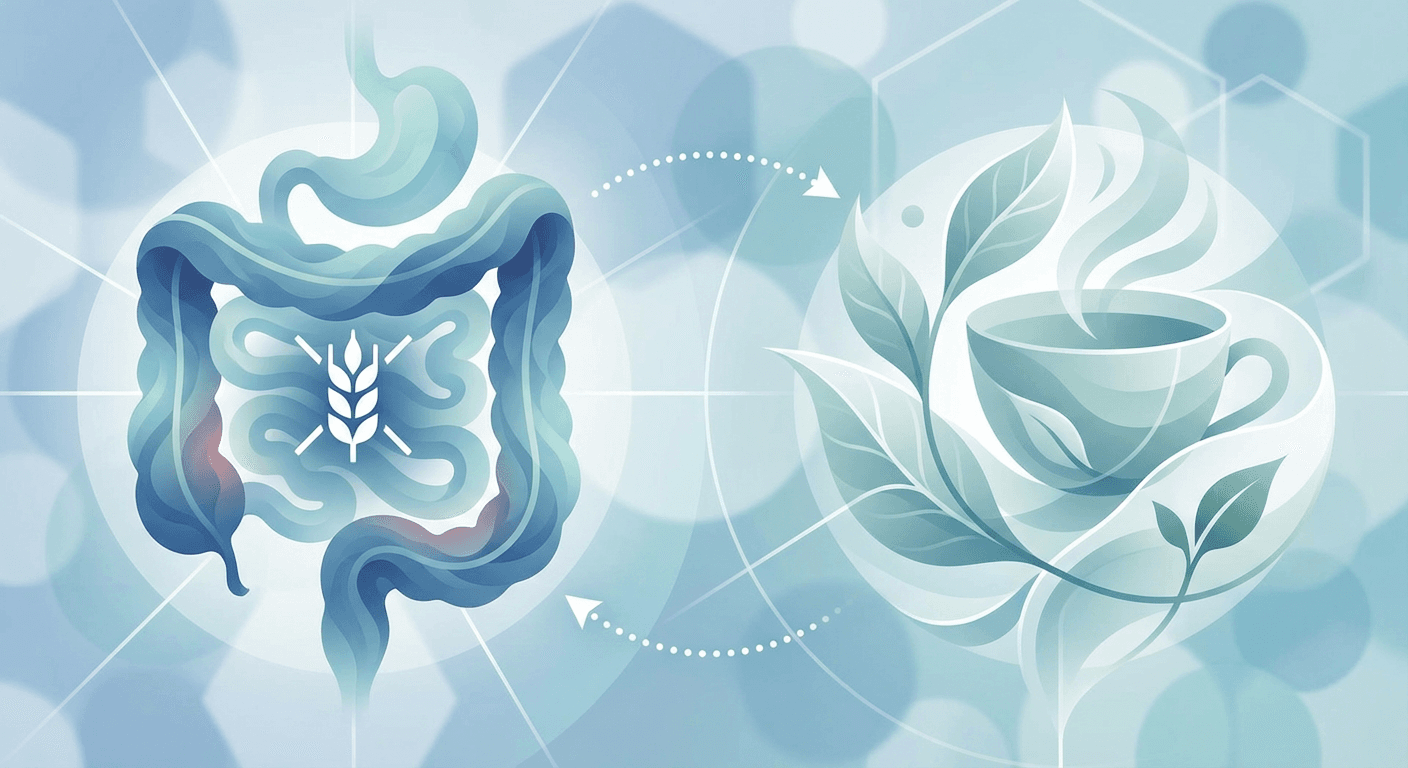
Green tea does not cure or treat celiac disease. The only proven management is a strict, lifelong gluten-free diet, which allows the small intestine to heal; green tea’s EGCG has only early-stage evidence and is not a substitute. Moderate beverage use is generally safe, but avoid high-dose extracts and ensure supplements are gluten-free.
No green tea does not cure celiac disease. The only proven treatment for celiac disease is a strict, lifelong gluten‑free diet, which allows the small intestine to heal and prevents ongoing damage. [1] [2] For most people, removing gluten leads to symptom improvement and intestinal recovery over time, while any amount of gluten even small “hidden” sources can trigger symptoms and harm. [1] [3]
What actually treats celiac disease
- Gluten‑free diet is the cornerstone. Avoiding wheat, barley, rye, and triticale is essential; oats may be reintroduced cautiously once purity from gluten cross‑contact is ensured. [1] Working with a knowledgeable clinician or dietitian can help avoid “hidden gluten” in foods and products like supplements or toothpaste. [3] When the diet is followed, the small intestine typically heals (months in children, longer in adults), and symptoms often resolve. [2] Ongoing care may include nutritional supplements to correct deficiencies while the gut heals. [4]
Where green tea fits (and where it doesn’t)
- No evidence that green tea cures or treats celiac disease. Current clinical guidance identifies gluten avoidance not green tea or supplements as treatment. [1] [3] [2]
- Potential general immune effects are early‑stage. Laboratory and animal studies suggest epigallocatechin‑3‑gallate (EGCG), a green tea component, can modulate immune cells and may influence autoimmune processes in models, but human data are limited and not specific to celiac disease management. [5] These findings are exploratory and do not replace the gluten‑free diet. [1]
- Bottom line: Green tea may be enjoyed as a beverage for general wellness if you like it and tolerate caffeine, but it should not be used as a treatment for celiac disease, and it will not permit gluten consumption without harm. [1] [3] [2]
Safety notes if you choose green tea
- Dosing matters. Typical beverage use is generally well tolerated, but concentrated extracts can carry risks; for example, sustained high‑dose EGCG (around 800 mg/day) has been linked with elevated liver enzymes, whereas lower doses (around 200 mg twice daily) showed acceptable safety in some studies. [6]
- Interactions and sensitivity. Green tea contains caffeine and other compounds; sensitive individuals may experience insomnia, palpitations, or gastrointestinal upset, and extracts taken while fasting may increase toxicity risk in animal models. [7] [6]
- Supplements can contain gluten. If you take any tea extracts or capsules, ensure they are certified gluten‑free to avoid accidental exposure. [3]
Key takeaways
- Celiac disease is not cured by green tea; the effective management is a strict, lifelong gluten‑free diet. [1] [3] [2]
- Green tea’s EGCG shows immune effects in preclinical research, but there is no clinical proof it treats celiac disease. [5]
- If you enjoy green tea, moderate consumption is fine for most people, but use caution with high‑dose extracts and always prioritize a gluten‑free diet. [7] [6] [1]
Related Questions
Related Articles


Sources
- 1.^abcdefghTreatments(stanfordhealthcare.org)
- 2.^abcdeCeliac disease - Diagnosis and treatment(mayoclinic.org)
- 3.^abcdefCeliac Disease(medlineplus.gov)
- 4.^↑Celiac Disease Program(stanfordhealthcare.org)
- 5.^abImmunomodulating effects of epigallocatechin-3-gallate from green tea: mechanisms and applications.(pubmed.ncbi.nlm.nih.gov)
- 6.^abcGreen Tea(mskcc.org)
- 7.^abGreen Tea(mskcc.org)
Important Notice: This information is provided for educational purposes only and is not intended to replace professional medical advice, diagnosis, or treatment. Always consult with a qualified healthcare provider before making any medical decisions.