
 Persly Medical Team
Based on PubMed | Is ginger an effective treatment for celiac disease?
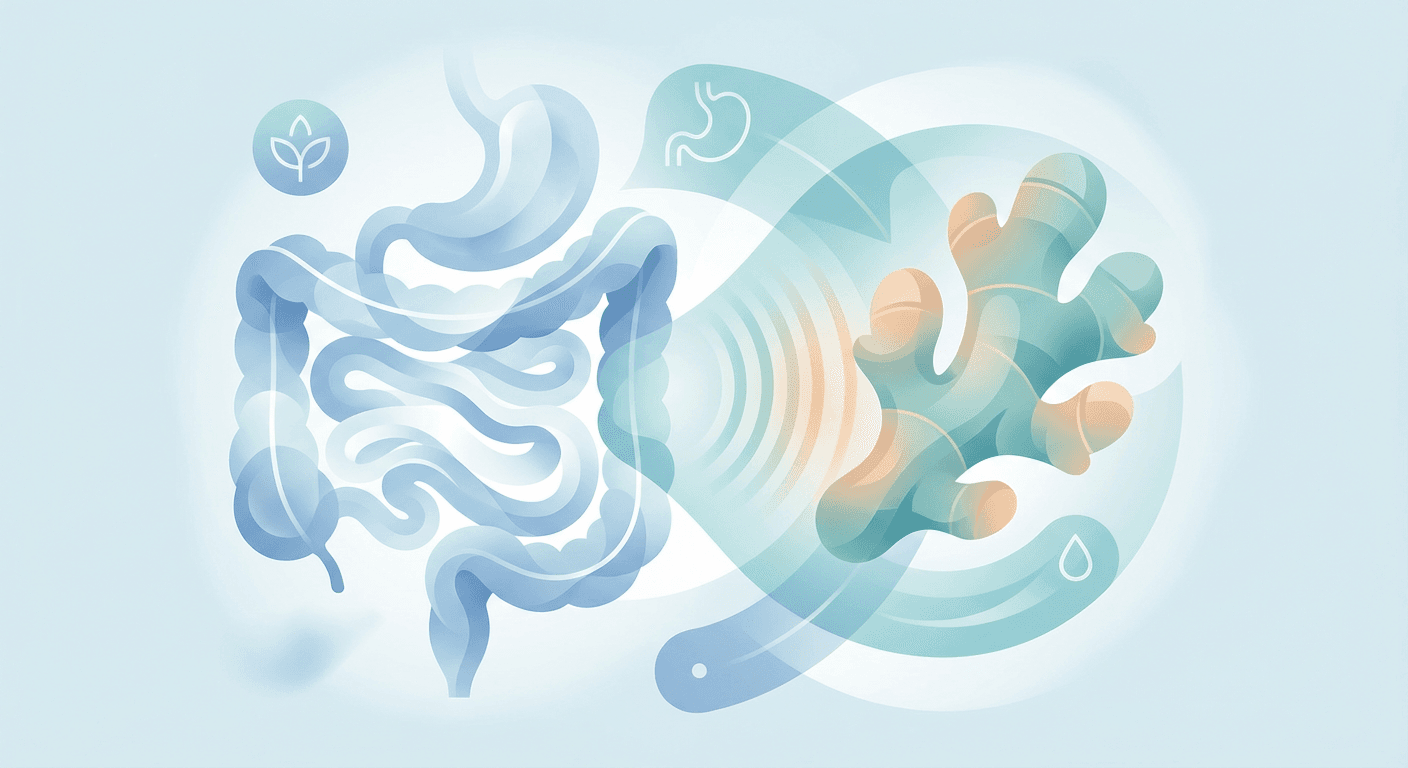
Ginger is not an effective treatment for celiac disease. The only proven therapy is a strict, lifelong gluten-free diet; ginger may help occasional nausea but does not heal intestinal damage or modify the immune response. Consult a clinician before using ginger, especially with blood thinners, gallstones, pregnancy, or surgery.
Ginger is not an effective treatment for celiac disease. The only proven treatment for celiac disease is a strict, lifelong gluten‑free diet that removes all sources of wheat, barley, and rye to allow the small intestine to heal and to prevent further damage. [1] Medical guidance emphasizes that even small amounts of gluten can trigger symptoms and intestinal inflammation, so dietary elimination is the cornerstone of care. [1] Major clinical resources also note that removing gluten typically reduces intestinal inflammation and leads to healing, with vitamins and minerals added if deficiencies are present. [2]
What ginger can and cannot do
Ginger (Zingiber officinale) has evidence for easing nausea and vomiting in some settings, and it can stimulate digestive secretions and gastric emptying, which may help settle the stomach. [3] However, human data are lacking for ginger as a treatment for chronic gastrointestinal diseases like celiac disease, and there are no clinical trials showing it heals intestinal damage from gluten or changes the immune reaction that causes celiac disease. [4] In other words, ginger may help with nonspecific dyspepsia or queasiness for some people, but it does not treat the cause of celiac disease or replace a gluten‑free diet. [4] [1]
Current standard of care for celiac disease
Celiac disease is an immune‑mediated condition triggered by gluten; lifelong adherence to a gluten‑free diet remains the standard and only established therapy. [5] Ongoing research is exploring non‑dietary treatments (such as gluten‑digesting enzymes, agents that reduce intestinal permeability, and immune‑modulating strategies), but these remain investigational and are not substitutes for a gluten‑free diet at this time. [5] [6]
Safety considerations if you use ginger for symptom relief
Ginger is generally well tolerated, but high doses may thin the blood by reducing platelet aggregation, so people with bleeding disorders, those on blood thinners, or anyone headed for surgery should be cautious. [7] Some guidance advises stopping ginger supplements about two weeks before surgery and avoiding them immediately after surgery. [8] Ginger supplements may also cause heartburn or stomach upset in some users, and those with gallstones are often advised to avoid supplemental ginger due to its bile‑stimulating (cholagogic) effects. [9] If you are pregnant or breastfeeding, ginger supplements are generally not recommended due to limited safety data in humans. [9]
Practical takeaways
- Ginger is not an effective treatment for celiac disease and does not heal gluten‑related intestinal injury. [1] [5]
- A strict gluten‑free diet is essential and typically leads to symptom improvement and intestinal healing. [1] [2]
- Ginger may help with intermittent nausea, but evidence is limited to nonspecific symptom relief, not disease control. [3] [4]
- Discuss any supplements with your healthcare professional, especially if you have bleeding risks, gallstones, are pregnant, or plan surgery. [7] [9] [8]
Comparison at a glance
| Aspect | Gluten‑free diet | Ginger |
|---|---|---|
| Primary role | Core treatment that removes the trigger (gluten) and allows intestinal healing | Optional adjunct for mild nausea or dyspepsia; not disease‑modifying |
| Evidence for celiac disease | Strong and established; required lifelong | No clinical evidence for treating celiac disease or healing intestine |
| Impact on inflammation | Reduces gluten‑driven intestinal inflammation | No proven impact on celiac‑specific inflammation |
| Safety notes | Requires careful label reading; may need nutrition counseling and supplements | Potential blood‑thinning effects; avoid around surgery; caution with gallstones and pregnancy |
Bottom line: Stick with a strict gluten‑free diet for celiac disease, and consider ginger only as a limited, optional aid for nausea after discussing with your clinician. [1] [3]
Related Questions
Related Articles


Sources
- 1.^abcdefTreatments(stanfordhealthcare.org)
- 2.^abCeliac disease - Diagnosis and treatment(mayoclinic.org)
- 3.^abcGinger(mskcc.org)
- 4.^abcGinger(mskcc.org)
- 5.^abcCeliac disease 2015 update: new therapies.(pubmed.ncbi.nlm.nih.gov)
- 6.^↑Novel therapeutic approaches for celiac disease.(pubmed.ncbi.nlm.nih.gov)
- 7.^abGinger(mskcc.org)
- 8.^abGinger(mskcc.org)
- 9.^abcGinger(mskcc.org)
Important Notice: This information is provided for educational purposes only and is not intended to replace professional medical advice, diagnosis, or treatment. Always consult with a qualified healthcare provider before making any medical decisions.