
 Persly Medical Team
Is caffeine safe during cancer treatment?
Key Takeaway:
Is caffeine safe during cancer treatment?
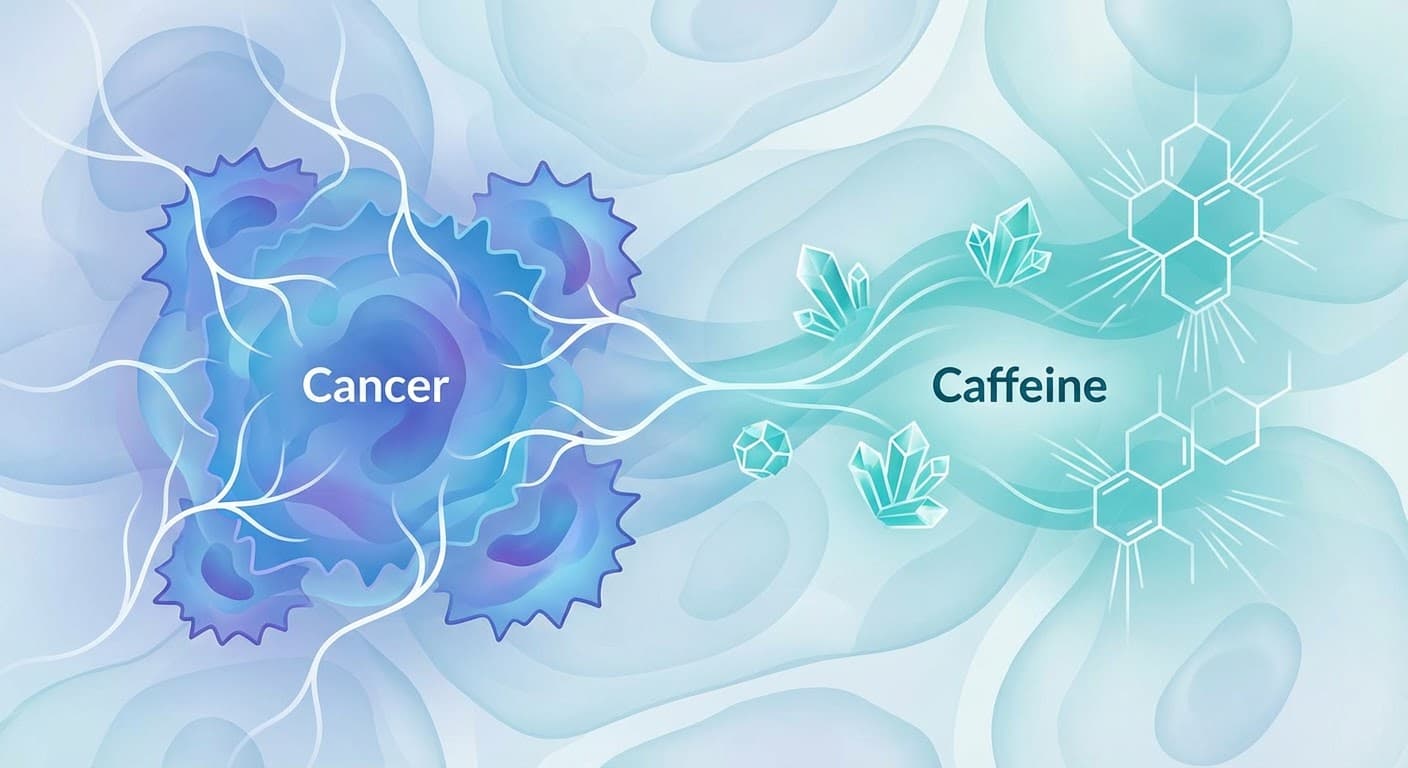
Most people with cancer can generally drink moderate amounts of caffeine (about 1–2 cups of coffee or similar caffeinated drinks per day). [1] Some research suggests possible health benefits from moderate coffee intake, but individual tolerance and treatment side effects matter. [1]
What counts as “moderate” caffeine?
- Moderate intake is commonly described as no more than 1–2 cups of coffee per day or equivalent black/green tea. [1] Energy drinks and sweetened caffeinated beverages should be avoided or limited due to added sugars and stimulants. [1]
Potential benefits
- Moderate coffee consumption may be linked to possible health benefits in the general population, and some observational data suggest anti-inflammatory and antioxidant effects that could be supportive. [1] Supporting your immune system overall relies more on balanced diet, regular exercise, adequate sleep, and avoiding tobacco than on caffeine itself. [2]
Possible downsides and when to adjust
- Caffeine can worsen certain treatment side effects (like nausea, diarrhea, mouth soreness, or sleep problems), so it’s reasonable to reduce or pause caffeine during flares. [3] During chemotherapy, following food safety and gentle nutrition strategies is more important than pushing stimulants. [4]
- Drinks like flavored lattes can carry high sugar and calories, which may not align with nutrition goals during treatment. [2]
- Alcoholic beverages with added caffeine should be avoided. [1]
Practical tips for safe use
- Start low and listen to your body; some days you may tolerate a small cup, other days none. [1]
- Choose simpler beverages (black coffee, unsweetened black/green tea) and steer clear of energy drinks or heavily sweetened options. [1] [2]
- If you have mouth sores, prefer cooler, softer drinks and avoid irritants; straws and cold, soft foods can help. [5]
- If you’re experiencing diarrhea, limit caffeinated drinks and high‑fat foods until symptoms settle. [3]
- Prioritize sleep hygiene; if caffeine disrupts sleep, shift intake to earlier in the day or reduce amount. [2]
Immune system and overall wellness
- A strong immune system during treatment is best supported by a balanced diet, regular exercise, enough sleep, healthy weight, stress management, and good hand hygiene. [2] Limiting alcohol and avoiding tobacco are also important. [2]
Bottom line
- For most people with cancer, moderate caffeine (1–2 cups/day) is considered okay, provided it does not worsen symptoms and is not consumed as energy drinks or alcohol with added caffeine. [1] Adjust intake based on side effects like nausea, diarrhea, mouth soreness, or insomnia and focus on overall nutrition and hydration. [3] [2]
Related Questions
Related Articles


Sources
- 1.^abcdefghiNutrition and Breast Cancer: Making Healthy Diet Decisions(mskcc.org)
- 2.^abcdefgNutrition and Breast Cancer: Making Healthy Diet Decisions(mskcc.org)
- 3.^abcالسيطرة على الأعراض الجانبية للعلاج الكيماوي(mskcc.org)
- 4.^↑Nutrition and Breast Cancer: Making Healthy Diet Decisions(mskcc.org)
- 5.^↑التغذية وسرطان الثدي: اتخاذ قرارات التغذية الصحية(mskcc.org)
Important Notice: This information is provided for educational purposes only and is not intended to replace professional medical advice, diagnosis, or treatment. Always consult with a qualified healthcare provider before making any medical decisions.