
 Persly Medical Team
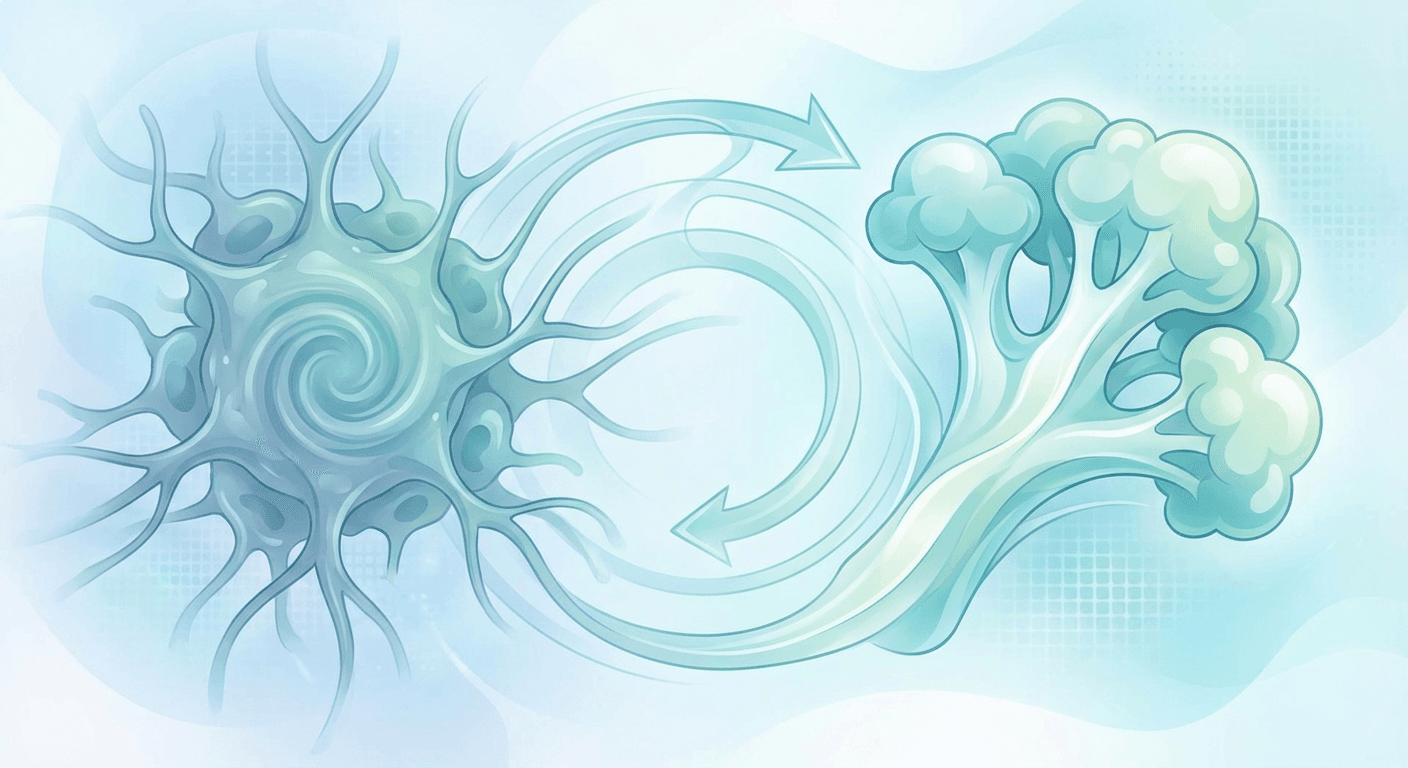
Is Broccoli Safe During Cancer Treatment?
Broccoli and Cancer: Safety, Benefits, and Practical Tips
Most people with cancer can safely eat broccoli as part of a balanced diet, and it can be a nutritious choice during treatment. Standard oncology nutrition guidance generally encourages a variety of vegetables including cruciferous options like broccoli while emphasizing food safety to lower infection risk. [1] [2] Eating vegetables that are well washed and properly cooked is considered safe for those undergoing chemotherapy or radiation. [3] [2]
Is Broccoli Safe?
- Yes, for most individuals, broccoli is safe when it is washed and cooked properly, especially during periods of lowered immunity. [3] [2]
- The key is food safety: avoid unwashed produce and raw sprouts, and ensure proper cooking to reduce germs that can cause foodborne illness. [3] [2]
- Hospitals and cancer centers routinely include broccoli among recommended vegetables in treatment nutrition guides. [1] [4]
Potential Health Effects
- General benefits: Diets rich in fruits and vegetables, including broccoli, are associated with healthier outcomes and may reduce risk for some cancers over time. [5]
- Cruciferous vegetables and risk: Population studies suggest higher intake of cruciferous vegetables is linked with lower risk of certain cancers, such as bladder cancer, although these are associations and not proof of cause. [6]
- Active compounds: Broccoli contains glucoraphanin, which converts to sulforaphane (an isothiocyanate) that has been studied for supporting detox pathways and cellular protection. Early clinical data show sulforaphane can modulate markers of cell growth in humans, but effects vary and are not a substitute for medical treatment. [7] [8]
- Treatment synergy is not established: While laboratory studies explore sulforaphane’s anticancer mechanisms, clinical trials remain mixed and generally small; more robust research is needed before making therapeutic claims. [9] [10]
Important Safety Caveats
- Food safety first: During chemotherapy or radiation, the immune system can be weakened, so it’s important to eat thoroughly washed and cooked vegetables and avoid raw sprouts, raw or undercooked meats, eggs, seafood, and unpasteurized products. These steps lower infection risk. [3] [2]
- Supplements caution: High‑dose antioxidant or herbal supplements can interact with treatments; most people are advised to meet nutrition needs through food rather than supplements unless a clinician recommends otherwise. [1]
- Broccoli supplements vs food: Concentrated extracts may act differently than whole foods and can interact with medicines; food‑based broccoli is generally preferred during active treatment. [1]
Thyroid and Other Considerations
- Thyroid function: For most people with adequate iodine intake, typical dietary amounts of goitrogenic foods (like cruciferous vegetables) do not cause hypothyroidism; balanced diets are generally compatible with thyroid health. [11]
- If you are on thyroid hormone (levothyroxine), ensure consistent timing and discuss any major diet changes with your clinician to avoid absorption issues or dose confusion. [12]
Practical Ways to Include Broccoli
- Cook it well: Steam, sauté, roast, or add to soups and stews to ensure it’s cooked and safer during treatment. Avoid raw broccoli if your care team recommends a neutropenic or strict food safety diet. [3] [2]
- Wash thoroughly: Rinse under clean running water and dry before cooking. Skip raw sprouts entirely during treatment. [2]
- Portion and pairing: Combine with other vegetables, whole grains, and protein to support energy and recovery according to cancer center nutrition guidance. [1] [4]
What the Evidence Suggests
- Large health systems advise eating a balanced diet with vegetables like broccoli during treatment, focusing on safety and overall nutrition. This reflects standard supportive care rather than a specific anticancer prescription. [1] [3]
- Observational research links higher cruciferous intake with lower risk for certain cancers, but these findings do not prove that broccoli treats cancer. [6]
- Human trials of sulforaphane from broccoli show biological activity on some cellular markers, yet clinical benefits in advanced cancer remain uncertain and require more study. [8] [10]
Quick Comparison: Broccoli as Food vs Supplements
| Aspect | Broccoli (food) | Broccoli/sulforaphane supplements |
|---|---|---|
| Safety during treatment | Generally safe when washed and cooked; fits standard oncology diets. [3] [1] | May interact with medications; not routinely recommended without clinician guidance. [1] |
| Evidence | Supports overall nutrition; associated with healthier dietary patterns. [5] | Shows activity in small trials on cell markers; clinical outcomes vary and are limited. [8] [10] |
| Infection risk | Low when properly prepared (no raw sprouts, well cooked). [2] | Not applicable to infection risk, but product quality and dosing vary. [1] |
Bottom Line
- Broccoli is generally safe and nutritious for people with cancer when properly washed and cooked. [3] [1]
- It may contribute to a healthy diet and has bioactive compounds under study, but it should not be viewed as a treatment on its own. [10] [8]
- Focus on food safety and discuss any supplements with your care team to avoid interactions. [2] [1]
If you’d like, I can help tailor broccoli and vegetable choices to your specific treatment plan and any dietary restrictions you were given.
Related Questions
Related Articles

Sources
- 1.^abcdefghijkEating Well During Your Cancer Treatment(mskcc.org)
- 2.^abcdefghiFood Safety During Cancer Treatment(mskcc.org)
- 3.^abcdefghFood Safety During Cancer Treatment(stanfordhealthcare.org)
- 4.^abПравильное питание во время лечения рака(mskcc.org)
- 5.^abDiet and cancer: MedlinePlus Medical Encyclopedia(medlineplus.gov)
- 6.^ab822199 | Stanford Health Care(stanfordhealthcare.org)
- 7.^↑Isothiocyanates: Translating the Power of Plants to People.(pubmed.ncbi.nlm.nih.gov)
- 8.^abcdRandomized Phase II Clinical Trial of Sulforaphane in Former Smokers at High Risk for Lung Cancer.(pubmed.ncbi.nlm.nih.gov)
- 9.^↑Sulforaphane as a Promising Natural Molecule for Cancer Prevention and Treatment.(pubmed.ncbi.nlm.nih.gov)
- 10.^abcdSulforaphane as a potential therapeutic agent: a comprehensive analysis of clinical trials and mechanistic insights.(pubmed.ncbi.nlm.nih.gov)
- 11.^↑Can certain foods improve thyroid function in people with hypothyroidism?(mayoclinic.org)
- 12.^↑DailyMed - LEVOTHYROXINE SODIUM tablet(dailymed.nlm.nih.gov)
Important Notice: This information is provided for educational purposes only and is not intended to replace professional medical advice, diagnosis, or treatment. Always consult with a qualified healthcare provider before making any medical decisions.