
 Persly Medical Team
Based on PubMed | Is it true that spicy foods can worsen arthritis symptoms?
There’s no strong evidence that spicy foods universally worsen arthritis, though individual sensitivity is possible. Topical capsaicin can modestly reduce joint pain, but dietary spiciness acts differently. Emphasize anti-inflammatory eating, weight management, exercise, and proven treatments.
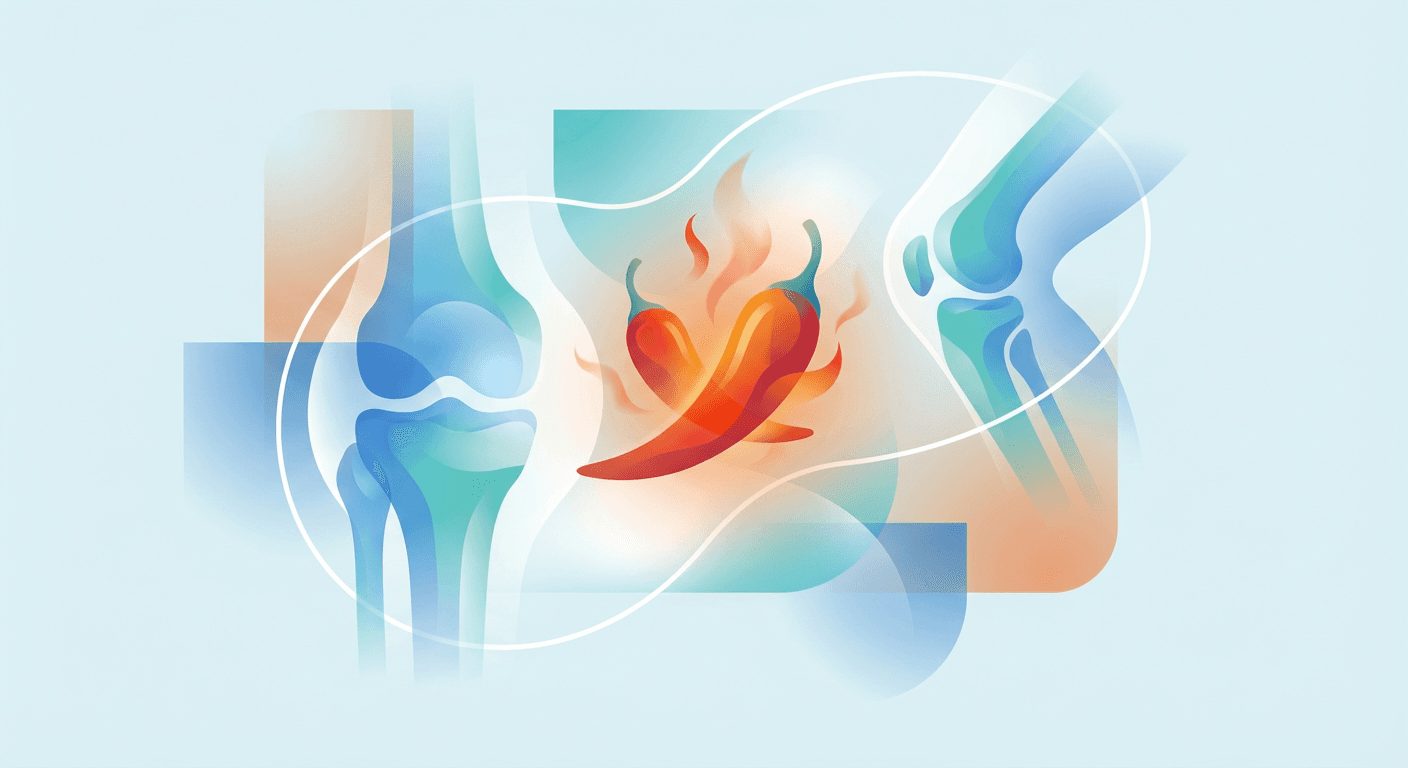
Spicy foods and arthritis: what we know There isn’t strong evidence that spicy foods universally worsen arthritis symptoms, and experiences can vary from person to person. Some people report that hot and spicy meals seem to trigger flares, but others notice no change and capsaicin (the “heat” in chili peppers) is actually used in topical creams to reduce joint pain. Overall, spicy foods are not proven to worsen arthritis for everyone, but individual sensitivity is possible. [1] [2]
How spicy foods might affect symptoms
- Individual sensitivity: Some people may be sensitive to certain foods, and eliminating specific triggers can lessen symptoms in a subset of individuals with inflammatory arthritis. This suggests food-related flares are possible, but they differ widely between people. [3]
- Gastrointestinal and systemic effects: Spicy foods can irritate the stomach in some people, which may indirectly affect how they feel overall, but a direct, consistent link to joint inflammation is not well established. Large, high‑quality studies specifically tying spicy foods to arthritis flares are limited.
Capsaicin: harmful to eat or helpful on skin?
- Topical benefit: Capsaicin creams, gels, and patches applied to the skin over painful joints can modestly reduce pain when used several times daily for a few weeks. This therapy is recognized as a safe option for hand or knee osteoarthritis, though it may cause temporary burning at the application site. [1] [2] [4] [5]
- Clinical trials: Randomized trials have shown capsaicin creams can reduce arthritis pain versus placebo in osteoarthritis and, in some studies, rheumatoid arthritis, with most side effects limited to local burning or stinging. Benefits often appear after 2–4 weeks of regular use. [6] [7]
- Takeaway: Topical capsaicin can help pain, but this does not mean that eating spicy foods will help or harm arthritis in the same way, because topical application and dietary intake act through different pathways. [1] [2]
Diet patterns that matter more than “spicy”
- Anti‑inflammatory eating: Diets rich in whole foods vegetables, fruits, legumes, nuts, whole grains, fish, and olive oil may help reduce inflammation and support joint health. This pattern is often more impactful than focusing on spiciness alone. [8]
- Processed and salty foods: Frequent intake of highly processed, salty, or instant foods can encourage inflammation or mineral imbalance and may worsen degenerative (osteoarthritis) symptoms in some people. Limiting these tends to be more important than avoiding spiciness per se. [9]
Practical guidance if you notice flares after spicy meals
- Track your triggers: If you suspect spicy foods increase your pain or swelling, try a brief, structured trial reduce spicy foods for 2–3 weeks and track your symptoms, then reintroduce and observe changes. Some people improve when they identify and avoid personal triggers. [3]
- Prioritize proven steps: Weight management, gentle joint-friendly exercise, and consistent use of physician‑recommended therapies generally have larger effects on symptoms than avoiding spicy foods. These foundations should come first. [10]
- Consider topical capsaicin: For hand or knee pain, applying capsaicin 0.025%–0.075% cream 3–4 times daily for several weeks can be considered, expecting a mild, temporary burning sensation that typically lessens with regular use. Benefits may take up to a month. [4] [2] [6]
Quick reference: capsaicin for arthritis pain
| Topic | What to know |
|---|---|
| What it is | Capsaicin is the “heat” compound from chili peppers used in topical creams for pain relief. [1] |
| How it works | Repeated application reduces activity of skin pain nerves, lowering perceived pain over time. This effect is local to where it’s applied. [1] |
| Evidence | Randomized trials show modest pain reduction in osteoarthritis and sometimes rheumatoid arthritis. Onset typically 2–4 weeks with regular use. [6] [7] |
| Use | Apply to painful joints 3–4 times per day; wash hands well, avoid eyes and mucous membranes. Temporary burning is common and usually fades. [4] [5] |
| Diet vs. topical | Topical benefits do not prove dietary spicy foods help or harm joints the same way. Eating spicy foods affects the body differently than skin application. [1] [2] |
Bottom line
- There is no strong, universal proof that spicy foods make arthritis worse, though some individuals may notice flares linked to specific foods. Personal testing and symptom tracking are reasonable if you suspect a connection. [3]
- For reliable symptom control, emphasize overall dietary quality, weight management, exercise, stress reduction, and evidence‑based treatments. Topical capsaicin is an option for localized pain relief with a favorable safety profile. [2] [4] [5] [6]
- If you experience consistent flares after spicy meals, it’s reasonable to cut back and focus on anti‑inflammatory eating patterns, while discussing persistent symptoms with your clinician to optimize your arthritis plan. Tailoring the approach to your body’s responses usually works best. [8] [10] [9]
Related Questions
Related Articles


Sources
- 1.^abcdefCapsaicin Topical: MedlinePlus Drug Information(medlineplus.gov)
- 2.^abcdefOsteoarthritis-Osteoarthritis - Diagnosis & treatment - Mayo Clinic(mayoclinic.org)
- 3.^abcFood sensitivity and rheumatoid arthritis.(pubmed.ncbi.nlm.nih.gov)
- 4.^abcdCapsaicin (topical route) - Side effects & dosage(mayoclinic.org)
- 5.^abcArthritis pain: Treatments absorbed through your skin(mayoclinic.org)
- 6.^abcdTreatment of arthritis with topical capsaicin: a double-blind trial.(pubmed.ncbi.nlm.nih.gov)
- 7.^abEffect of topical capsaicin in the therapy of painful osteoarthritis of the hands.(pubmed.ncbi.nlm.nih.gov)
- 8.^abNutrition and pain - Mayo Clinic(mayoclinic.org)
- 9.^ab관절염(Arthritis) | 질환백과 | 의료정보 | 건강정보(amc.seoul.kr)
- 10.^abArthritis(stanfordhealthcare.org)
Important Notice: This information is provided for educational purposes only and is not intended to replace professional medical advice, diagnosis, or treatment. Always consult with a qualified healthcare provider before making any medical decisions.